Some U.S. coins remain perennial targets because they combine scarce dates, famous varieties, unusual minting events, and strong collector demand. The coins collectors still search for today are not necessarily the oldest pieces. Often, the real attraction is a difficult date, mintmark, recognized variety, or historically important issue.
Quick Answer
Collectors continue to search for key-date Lincoln cents, Mercury dimes, Buffalo nickels, Washington quarters, and Morgan dollars. Famous examples include the 1909-S VDB Lincoln Cent, 1914-D Lincoln Cent, 1916-D Mercury Dime, 1937-D Three-Legged Buffalo Nickel, 1932-D and 1932-S Washington Quarters, 1955 Doubled Die Lincoln Cent, and 1893-S Morgan Dollar.
Some are scarce dates, while others are famous varieties. Their importance depends on factors such as rarity, condition, authenticity, and collector demand.
Why Collectors Still Search for These Coins
U.S. coinage includes thousands of dates, mintmarks, designs, varieties, and production issues. That gives collectors many different ways to build a collection.
A coin can become especially desirable when it is difficult to find within its series. PCGS describes key coins as issues that are particularly difficult to obtain because of factors such as low mintage, limited surviving examples, or scarcity in certain grades.
This is why collectors often search old collections, dealer inventories, auctions, estate accumulations, and other sources for specific dates and varieties.
Lincoln Cents Remain Major Collector Targets
Lincoln cents are among the most widely collected U.S. coins. The early Wheat Reverse series, produced from 1909 through 1958, contains several important dates and varieties that collectors continue to pursue.
Collectors exploring the Wheat cent series can learn more about important dates, errors, and rare examples in Lincoln Wheat Penny Value Guide (1909–1958): Prices, Errors & Rare Coins.
1909-S VDB Lincoln Cent
The 1909-S VDB Lincoln Cent is one of the most recognized key dates in American numismatics.
It was struck at the San Francisco Mint during the first year of the Lincoln cent. The reverse originally carried Victor David Brenner’s initials, VDB, at the bottom.
For collectors studying this famous first-year issue, 1909-S VDB Lincoln Wheat Penny Value Guide: Why This Rare Cent Is So Important to Collectors provides a focused look at the characteristics that make the coin important.
PCGS records a mintage of 484,000 1909-S VDB Lincoln Cents. The VDB initials were removed from the design later in 1909.
The combination of the first-year issue, San Francisco mintmark, and VDB initials makes this one of the most important coins in the Lincoln cent series.
Collectors should verify all three characteristics when examining a possible example.
1914-D Lincoln Cent
The 1914-D Lincoln Cent is another major key date.
It was produced at the Denver Mint, and although more than one million were struck, the issue is considerably more difficult to locate than many other Lincoln cents from the period.
The 1914-D is particularly important to collectors building a complete Lincoln cent set. Because genuine examples can be valuable, authentication is important when purchasing one.
Collectors examining this key date can use 1914-D Lincoln Wheat Penny Value Guide: Key Date, Mint Marks & Current Prices to study the date, mintmark, and other details that matter when evaluating an example.
Altered mintmarks are a particular concern with scarce coins, so collectors should not rely only on the appearance of the D mintmark.
1931-S Lincoln Cent
The 1931-S Lincoln Cent is another important early Lincoln cent issue, with a mintage of 866,000 examples.
The San Francisco Mint produced 866,000 examples. PCGS identifies the 1931-S alongside the 1909-S VDB and 1914-D as one of the traditional major Lincoln cent key dates.
The coin’s importance comes primarily from its date and mintmark combination rather than from a famous error or variety.
1955 Doubled Die Lincoln Cent
The 1955 Doubled Die Lincoln Cent is one of the most famous U.S. coin varieties.
The doubling is clearly visible on important parts of the obverse, including the date, LIBERTY, and IN GOD WE TRUST. This makes it much easier to recognize than many minor doubled dies.
Collectors who want to verify the documented characteristics of this famous variety can use 1955 Doubled Die Lincoln Penny Value Guide: How to Identify This Famous Error Coin as a focused reference.
PCGS reports that approximately 40,000 coins were struck from the affected die, although substantially fewer are believed to survive.
Collectors should remember that the 1955 Doubled Die is a specific recognized variety. Random doubling or unusual-looking lettering on another 1955 cent does not automatically make it the famous variety.
Mercury Dimes Still Attract Collectors
The Mercury dime series was produced from 1916 through 1945 and remains one of the most popular classic U.S. coin series.
Collectors commonly assemble sets by date and mintmark, making certain low-production issues especially important.
For a broader look at important dates and varieties in the series, Mercury Dime Value Guide: The Rare Coins Every Collector Wants to Find is a useful reference for collectors studying these classic dimes.
1916-D Mercury Dime
The 1916-D Mercury Dime is the major key date of the series.
Only 264,000 were struck at the Denver Mint. That small production figure, combined with the coin’s importance within the series, makes the 1916-D a major collector target.
The coin’s popularity also means authentication is essential. A genuine 1916-D is a significant numismatic piece, so collectors should be cautious when examining inexpensive or questionable examples.
1942/1 Mercury Dime
The 1942/1 Mercury Dime is one of the series’ best-known varieties.
It is an overdate created when a 1942 date was punched over a 1941 date. Remnants of the underlying 1 can be seen in the date on genuine examples.
Collectors studying this overdate can useOnly 436,800 examples were struck at the Denver Mint. The D mintmark therefore makes the coin substantially more important than a common Philadelphia example from the same year. 1942/41 Mercury Dime Value Guide: Rare Overdate Error, Mint Marks & Current Prices to review the characteristics that distinguish genuine examples.
Both Philadelphia and Denver examples are recognized, with the latter identified as the 1942/1-D.
This variety demonstrates why collectors should compare specific diagnostics rather than treating an unusual-looking coin as evidence of a recognized variety.
Buffalo Nickels Offer Famous Varieties
Buffalo nickels were produced from 1913 through 1938 and remain popular with collectors interested in classic American coinage.
Collectors beginning a deeper study of the series can use Buffalo Nickel Value Guide: Rare Dates, Mint Errors & Collector Tips to explore the dates, errors, and characteristics that deserve attention.
Several dates and varieties are difficult to obtain, but one particular variety became famous because of its distinctive appearance.
1937-D Three-Legged Buffalo Nickel
The 1937-D Three-Legged Buffalo Nickel is one of the most recognizable U.S. coin varieties, created when excessive polishing of the reverse die removed most of the bison’s front right leg.
On genuine examples, the bison appears to have only three legs because excessive polishing of the reverse die removed most of the detail from the front right leg, leaving the hoof visible.
Because altered coins can imitate this appearance, collectors should compare suspected examples with the diagnostics discussed in 1937-D 3-Legged Buffalo Nickel Value Guide: How to Identify This Rare Error Coin.
The remaining portion of the leg and other diagnostic features help identify genuine examples.
This is important because ordinary 1937-D Buffalo nickels have been altered to imitate the missing-leg appearance. A collector should therefore compare a suspected example with established diagnostics rather than assuming that any Buffalo nickel with a weak leg is the famous variety.
Other Buffalo Nickel Varieties
The Buffalo nickel series contains other important varieties, including the 1916 Doubled Die and 1918/7-D overdate.
These varieties appeal to specialists because they are identified through specific characteristics rather than simply by the coin’s age.
That distinction matters when searching through older Buffalo nickels. A worn coin can lose design detail naturally, while a genuine variety has identifiable features associated with its production.
Washington Quarters Have Two Classic Key Dates
The Washington quarter was introduced in 1932, and the first-year Denver and San Francisco issues remain important targets for collectors.
Collectors focusing on the early Denver issue can use 1932-D Washington Quarter Value Guide: Rare Key Date, Mint Marks & Current Prices to study the date, mintmark, and characteristics that make this quarter a major key date.
1932-D Washington Quarter
The 1932-D Washington Quarter is one of the two traditional key dates of the series.
Only 436,800 examples were struck at the Denver Mint. Along with the 1932-S, which had a mintage of 408,000, it is recognized as one of the two key dates of the early Washington quarter series.
Collectors building Washington quarter sets continue to pay close attention to the 1932-D because completing the early part of the series requires finding this difficult issue.
1932-S Washington Quarter
The 1932-S Washington Quarter had an even lower mintage of 408,000.
The 1932-S Washington Quarter had a mintage of 408,000, slightly below the 1932-D’s 436,800. Both dates are widely recognized as the two key dates of the early Washington quarter series.
As with other scarce coins, condition matters. A heavily circulated example and a sharply preserved specimen should not be treated as equivalent simply because they share the same date and mintmark.
What Makes These Coins Worth Searching For?
Several factors can make a U.S. coin an important collector target.
Key Dates
A key date is a particularly difficult issue within a series. Low production can contribute to scarcity, but mintage alone does not determine how rare a coin is today.
The number of surviving examples and the availability of coins in different grades are also important.
Major Varieties
A coin does not need an exceptionally low mintage to become famous. A recognized variety can create strong collector interest.
The 1955 Doubled Die Lincoln Cent and 1937-D Three-Legged Buffalo Nickel are clear examples.
Mintmarks
Mintmarks can separate a common issue from a much more desirable one.
The 1932-D Washington Quarter illustrates this clearly. The date alone is not enough; the D mintmark identifies the important Denver issue.
For collectors who want to explore additional Washington quarter varieties, Washington Quarter Error Guide: Rare Mint Errors Every Collector Should Know provides a useful reference for distinguishing recognized mint-made errors from ordinary damage.
Condition
Condition can have a major effect on collector interest.
Two coins with the same date and mintmark can be dramatically different in quality because of wear, surface preservation, strike, luster, and eye appeal.
This is particularly important for classic coins, where high-grade examples can be much more difficult to locate than ordinary circulated pieces.
How to Search for These Coins
Start with the basics: identify the denomination, date, and mintmark.
If the combination is potentially important, examine the coin more carefully for the characteristics associated with the specific date or variety.
Do not assume that an unusual appearance automatically indicates an error. Scratches, dents, corrosion, cleaning, and other post-mint damage can create strange-looking features without adding numismatic value.
For famous varieties and key dates, use trusted numismatic references and, when appropriate, professional authentication.
The most useful habit is simple: identify first, then determine whether the coin warrants a closer value assessment.
Why Famous Coins Need Authentication
Some of the most desirable U.S. coins are also among the issues most likely to be altered or counterfeited.
This is especially relevant for coins such as the 1916-D Mercury Dime, 1909-S VDB Lincoln Cent, and major-date Morgan dollars.
A convincing-looking mintmark or date does not establish authenticity. When a coin is valuable enough to justify professional certification, authentication can provide significant protection for the buyer.
U.S. Coins That Collectors Still Search For Today
Morgan Dollars Remain Major Collector Targets
Morgan dollars continue to attract collectors because the series combines large silver coins, numerous date-and-mintmark combinations, famous rarities, and strong historical appeal. For collectors searching older U.S. coins, Morgan dollars can offer some of the most important key dates in American numismatics.
1893-S Morgan Dollar
The 1893-S Morgan Dollar is one of the most important key dates in the series. The San Francisco Mint struck just 100,000 examples in 1893, making the date-and-mintmark combination a major rarity in the Morgan dollar series.
Collectors studying the wider Morgan Dollar series can use Morgan Dollar Value Guide: Rare Dates, Mint Errors & Collector Tips to compare important dates, mintmarks, and other collecting characteristics.
The S mintmark is therefore critical when identifying the coin. A 1893 Morgan dollar without the S is a different issue from the 1893-S.
Because major Morgan dollar rarities are frequently targeted by counterfeiters and altered-coin specialists, authentication is particularly important when evaluating an expensive example.
A focused study of this specific key date is available in The 1893-S Morgan Dollar That Sold for Over $2 Million: Why It’s the King of Morgan Dollars, which helps explain why the date and mintmark combination receives so much collector attention.
1895 Morgan Dollar
The 1895 Morgan Dollar is another famous issue that collectors continue to seek. Mint records list 12,000 circulation strikes, while the 1895 date is also known for its limited proof production. This makes it important for collectors to distinguish the different forms of the date.
The 1895 issue is also famous because proof examples exist, so collectors must distinguish between the different forms of the date rather than assuming that every 1895 Morgan dollar is the same.
For an expensive 1895 Morgan dollar, professional authentication and certification can be especially useful.
Other U.S. Coins Collectors Continue to Search For
The most famous collector targets are not limited to the coins already discussed. Several other classic U.S. series contain difficult dates and varieties that specialists continue to pursue.
Standing Liberty Quarters
The Standing Liberty Quarter series was produced from 1916 through 1930. Collectors often focus on its early dates, key issues, and well-preserved examples.
The 1916 Standing Liberty Quarter is particularly important because it was the first year of the design and had a very limited mintage compared with most later issues.
The series also includes the well-known 1927-D key date. As with other scarce coins, collectors should pay close attention to authenticity, condition, and the specific characteristics of the issue being considered.
Collectors building a Standing Liberty Quarter set can use Standing Liberty Quarter Key Dates: The Rare Issues Collectors Want Most to identify the dates and issues that deserve especially close attention.
Barber Quarters
Barber quarters were produced from 1892 through 1916 and remain popular among collectors of classic U.S. silver coinage.
The series contains several important dates and mintmark combinations. Collectors searching Barber quarters should therefore record the date and mintmark before trying to determine whether an example deserves closer examination.
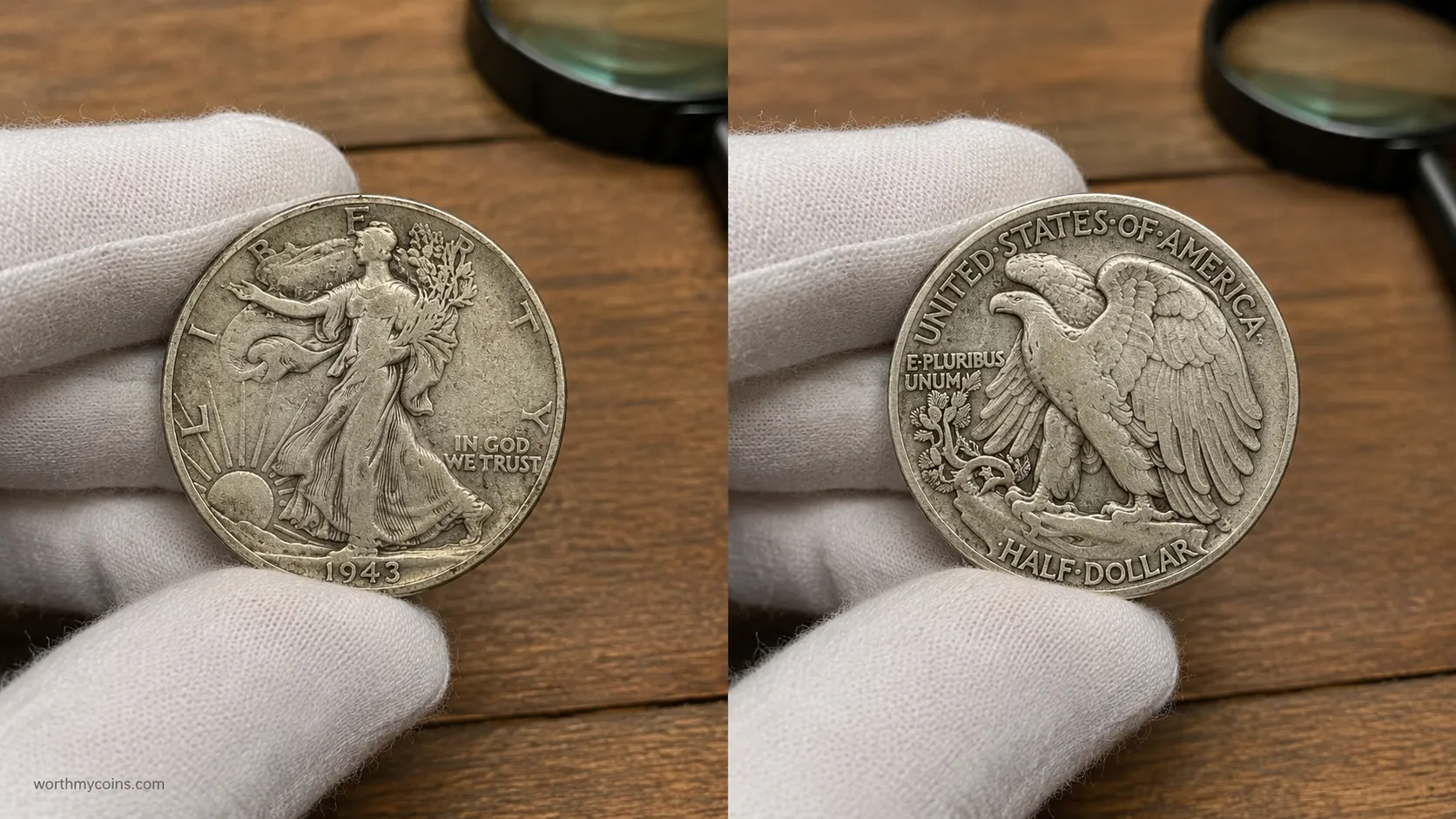
Walking Liberty Half Dollars
The Walking Liberty Half Dollar was produced from 1916 through 1947 and is one of the most admired classic U.S. silver coin designs.
Collectors search the series for important dates, scarce mintmarked issues, and coins with strong original surfaces. High-grade examples can be particularly challenging because circulated and heavily handled coins are much more common than exceptionally preserved specimens.
For a focused look at notable Walking Liberty Half Dollar issues, Top 10 Walking Liberty Half Dollars Worth Big Money can help collectors identify examples that deserve closer study.
Franklin Half Dollars
The Franklin Half Dollar series ran from 1948 through 1963. Although the series is much younger than the classic Barber and Walking Liberty issues, collectors still search it for varieties, high-grade coins, and special examples.
Collectors studying Franklin Half Dollars in greater detail can use Franklin Half Dollar Value Guide: Key Dates, Mint Marks and Rare Varieties to compare important dates, mintmarks, and recognized varieties.
The 1955 Franklin Half Dollar is particularly notable for the recognized doubled die obverse variety. Collectors also pay attention to proof issues and coins with attractive surfaces.
Why Condition Matters So Much
A coin’s date alone does not determine its collector value.
Consider two examples of the same scarce issue. One may have heavy circulation, scratches, cleaning, or other surface problems, while the other may retain strong detail and attractive original surfaces.
They are technically the same date and mintmark, but collectors may view them very differently.
This is why professional grading services such as PCGS and NGC can be useful when a coin has enough value to justify certification. A certified grade does not make a coin automatically valuable, but it provides an independent assessment of its condition and authenticity.
Mintage Is Not the Same as Rarity
One of the most common mistakes among newer collectors is assuming that the lowest mintage automatically identifies the rarest coin.
Mintage tells you how many coins were originally struck. It does not tell you how many survive today.
Some coins with relatively large original production numbers became scarce in certain grades because many examples were lost, damaged, heavily circulated, or melted. Conversely, some low-mintage issues may have survived in greater numbers than their original production figures might suggest.
For that reason, collectors should consider survival, grade, and availability, not just the original mintage.
How to Tell a Real Mint Error From Damage
Collectors frequently encounter coins with scratches, dents, discoloration, missing details, or unusual shapes. Not all of these characteristics were created at the Mint.
A genuine mint-made error results from an abnormal event during the manufacturing process. Post-mint damage happens after the coin leaves the Mint.
For example, a scratch across a coin’s surface is generally damage rather than an error. A dent caused by another object striking the coin after circulation is also not evidence of a mint error.
Recognized errors and varieties should be evaluated using established diagnostics rather than appearance alone.
Assuming Every Old Coin Is Valuable
Age does not automatically make a coin rare. Millions of older U.S. coins remain available to collectors, and many have modest values depending on their condition.
Ignoring the Mintmark
A mintmark can be one of the most important details on a classic U.S. coin.
Collectors should make a habit of checking the date and mintmark before setting aside a coin for further research.
Treating Damage as an Error
A damaged coin can look unusual, especially after decades of circulation. Scratches, dents, corrosion, cleaning, and environmental damage should not automatically be described as mint errors.
Cleaning a Potentially Important Coin
Cleaning can permanently alter a coin’s surfaces.
If an old coin appears dirty or tarnished, it is generally better to leave it alone until its importance has been established. Aggressive cleaning can remove original surfaces and negatively affect collector appeal.
Comparing Every Coin With a Record Auction Sale
A famous auction result represents one particular coin at one particular point in time.
Its grade, provenance, eye appeal, rarity, and other characteristics can make it completely different from an ordinary example of the same date.
An auction record should therefore never be treated as the normal value for every coin of that type.
A Better Way to Search Your Collection
A systematic approach is more useful than simply looking for coins that appear old.
Start by separating coins by denomination and design type. Then check the dates and mintmarks.
For potentially important coins, make a note of:
- Date
- Mintmark
- Denomination
- Design type
- Possible variety
- Condition
- Any unusual characteristics
Once those details are recorded, compare the coin with a reliable numismatic reference.
When comparing a potentially rare coin with reference material, match the date, mintmark, design details, and documented variety diagnostics as closely as possible. Photographs can help with preliminary identification, but they should not replace professional examination when authenticity is in doubt.
What Collectors Should Look For First
If you are examining older U.S. coins, some combinations deserve immediate attention.
1909-S VDB Lincoln Cent: Check the date, S mintmark, and VDB initials.
1914-D Lincoln Cent: Verify the D mintmark carefully.
1916-D Mercury Dime: Confirm the date and Denver mintmark and consider professional authentication.
1942/1 Mercury Dime: Examine the date for the documented overdate characteristics.
1937-D Three-Legged Buffalo Nickel: Look for the specific diagnostics rather than relying only on the missing-leg appearance.
1932-D and 1932-S Washington Quarters: Verify the mintmark because these first-year branch-mint issues are major key dates.
1893-S Morgan Dollar: Confirm the S mintmark and authenticate the coin when appropriate.
These are not the only coins worth studying, but they demonstrate why dates, mintmarks, varieties, and condition are central to U.S. coin collecting.
Why Collectors Keep Searching
The search itself is part of what makes collecting interesting.
A collector may spend years trying to complete a particular series and still need one difficult date. Another collector may focus entirely on varieties and search for a specific doubled die or overdate.
The same U.S. coin can therefore appeal to different collectors for different reasons.
Some pieces are pursued because they are scarce. Others are important because of their historical place in a series, their unusual production characteristics, or their difficulty in high grades.
That variety of collecting goals is one reason classic U.S. coins continue to attract attention.
FAQ
What U.S. coins are collectors most interested in finding?
Important key dates and recognized varieties remain major targets. Examples include the 1909-S VDB Lincoln Cent, 1914-D Lincoln Cent, 1916-D Mercury Dime, 1937-D Three-Legged Buffalo Nickel, 1932-D and 1932-S Washington Quarters, and 1893-S Morgan Dollar.
Should I keep every old U.S. coin I find?
Not necessarily. Age alone does not establish rarity or value. Identify the denomination, date, mintmark, and condition before deciding how important the coin may be.
Does a low mintage guarantee a valuable coin?
No. Mintage is only one part of the picture. Surviving population, grade, rarity, collector demand, and condition all influence how collectors view an issue.
How can I check whether a coin is a genuine variety?
Use a trusted numismatic reference that provides diagnostics for the specific variety. For valuable coins, professional authentication and certification can provide additional confidence.
Should I clean an old coin before examining it?
No. Cleaning can damage original surfaces and may reduce collector appeal. It is generally better to leave a potentially important coin in its existing condition until it has been properly identified.
Final Thoughts
The U.S. coins collectors still search for today are not defined by age alone. Key dates, scarce mintmarks, recognized varieties, unusual production issues, and exceptional condition can all make a coin worth closer examination.
The best strategy is to slow down and identify the coin accurately before thinking about its value. Check the date, mintmark, design, variety characteristics, and condition, then compare the information with reliable numismatic references.
For the most valuable or difficult-to-authenticate coins, professional certification can help confirm what you have. A careful identification process is far more reliable than judging a coin simply by how old, unusual, or attractive it looks.
References
- United States Mint — History of U.S. Circulating Coins
- United States Mint — Circulating Coins
- Professional Coin Grading Service (PCGS) — Lincoln Cents
- Professional Coin Grading Service (PCGS) — Mercury Dime Key Dates and Varieties
- Professional Coin Grading Service (PCGS) — Washington Quarter Key Dates
- Professional Coin Grading Service (PCGS) — Buffalo Nickel Varieties
- Professional Coin Grading Service (PCGS) — Morgan Dollar Resources
- Numismatic Guaranty Company (NGC) — U.S. Coin Variety Resources
- American Numismatic Association (ANA) — Coin Collecting Resources

Narayan Kumar is the Founder and Author of Worth My Coins. She specializes in U.S. coin collecting, with a focus on coin identification, mint errors, grading, rare varieties, and collector education. Her goal is to publish accurate, well-researched, and easy-to-understand guides that help both new and experienced collectors make informed decisions. Every article is created using trusted numismatic references and is written with a commitment to accuracy, transparency, and long-term educational value.