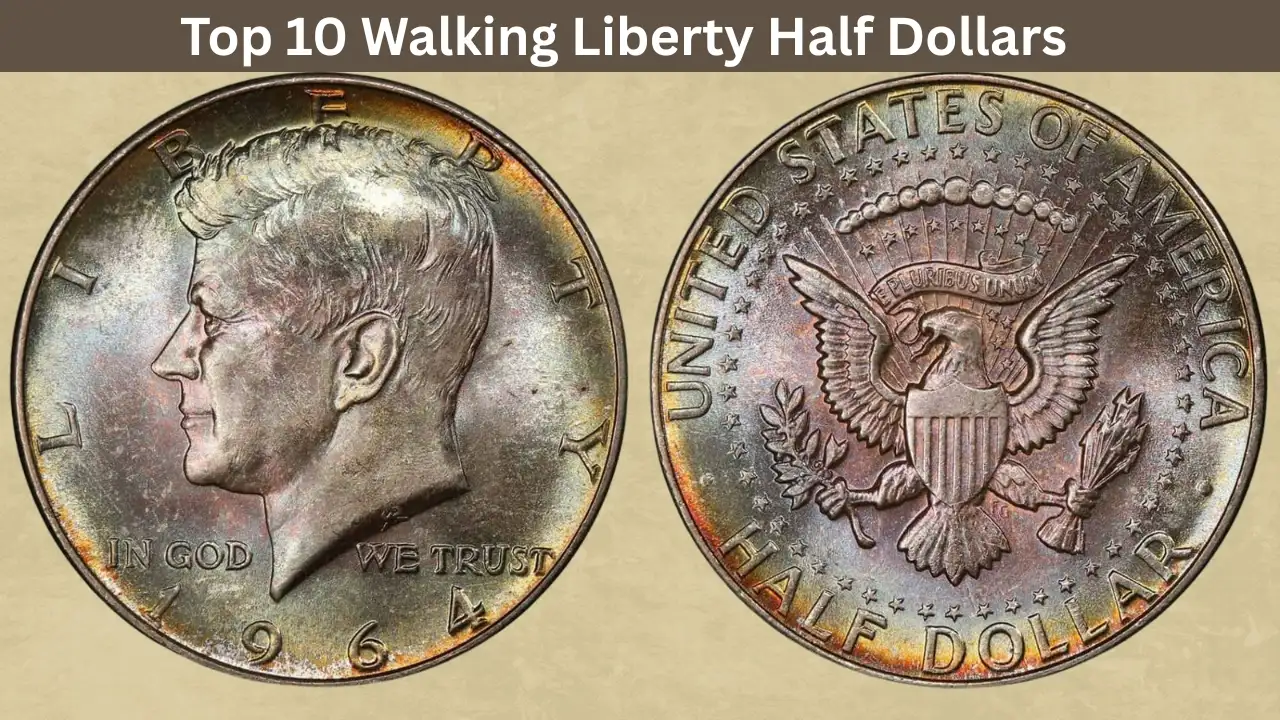
The Walking Liberty Half Dollar is one of the most admired coins ever produced by the United States Mint. Designed by sculptor Adolph A. Weinman, the series ran from 1916 through 1947 and remains a favorite among collectors today. While every Walking Liberty Half Dollar contains 90% silver and carries collectible appeal, certain dates, mint marks, varieties, and high-grade examples stand out as especially desirable among collectors.
For beginners, identifying the most desirable Walking Liberty Half Dollars can feel overwhelming. This guide explains which issues collectors pay the closest attention to, why they are important, and what factors can make one example worth substantially more than another.
Quick Answer
Some of the most valuable Walking Liberty Half Dollars include the 1916-S, 1916-S Obverse Mint Mark, 1921, 1921-D, 1921-S, 1938-D, and certain early branch mint issues in exceptional condition. The most valuable examples are typically rare dates, low-mintage issues, or coins certified in high Mint State grades by major grading services.
Understanding the Walking Liberty Half Dollar Series
Walking Liberty Half Dollars were struck from 1916 to 1947.
The obverse features Liberty striding toward the rising sun while carrying branches of laurel and oak. The reverse displays a perched eagle with partially spread wings.
Collectors appreciate the series for:
- Historic significance
- Artistic design
- Silver content
- Long-term collector demand
- Challenging date-and-mint set completion
Mint Marks Explained
Walking Liberty Half Dollars were produced at three mints:
| Mint | Mint Mark | Location |
|---|---|---|
| Philadelphia | No Mint Mark | Philadelphia, Pennsylvania |
| Denver | D | Denver, Colorado |
| San Francisco | S | San Francisco, California |
The mint mark location varies during the series, making identification important when examining early dates.
What Makes a Walking Liberty Half Dollar Valuable?
Although silver content contributes to the series’ popularity, collectors generally place greater emphasis on rarity, condition, originality, and collector demand when evaluating key dates and important varieties. Two Walking Liberty Half Dollars with the same silver content can differ dramatically in desirability depending on these factors.
Several factors work together to determine collector appeal and market value.
Rarity
Coins with lower mintages or lower surviving populations generally attract stronger demand.
Condition
A common date in Mint State condition may be worth more than a scarcer date in heavily circulated condition.
Collector Demand
The Walking Liberty series remains one of the most actively collected classic U.S. coin series.
Collectors who enjoy classic half dollars should also explore Kennedy Half Dollar Value Guide: Hidden Gems, Silver Issues & Rare Finds to see how rarity and collector demand compare across different generations of U.S. half dollars.
Full Details and Strike Quality
Collectors often pay special attention to coins showing strong design details and original surfaces.
Certification
Professional authentication from PCGS or NGC can help establish authenticity and provide an independent assessment of grade, particularly for key dates and important varieties.
Collectors researching major key dates may also find 1916-D Mercury Dime Value Guide: Rare Key Date, Errors, Mint Marks & Current Value useful for understanding how rarity and certification influence collector demand.
1. 1916-S Walking Liberty Half Dollar
The 1916-S is one of the most important issues in the entire series.
As a first-year coin from the San Francisco Mint, it enjoys strong collector demand and is considered a key date for complete sets.
Why Collectors Want It
- First-year issue
- Low mintage compared with later dates
- Strong historical importance
- Difficult to locate in higher grades
Identification Tips
Look for:
- Date 1916
- “S” mint mark
- Original design details
- Signs of cleaning or alteration
Certified examples generally command stronger buyer confidence.
2. 1916-S Obverse Mint Mark
Among the most famous Walking Liberty varieties is the 1916-S with the mint mark positioned on the obverse.
This variety resulted from changes made during the first year of production.
Why It Matters
Collectors often pursue both 1916-S versions when building advanced sets.
The variety’s importance comes from its status as a distinct collectible issue within the series.
Authentication Matters
Because values can differ significantly between varieties, professional attribution is often recommended.
3. 1921 Walking Liberty Half Dollar
The Philadelphia issue of 1921 is considered one of the classic key dates in the series.
Even circulated examples are often sought by collectors attempting to complete a date-and-mint collection.
Key Characteristics
- No mint mark
- Scarce relative to many other dates
- Strong collector demand
Many collectors spend years upgrading their 1921 examples because high-quality pieces can be difficult to locate.
4. 1921-D Walking Liberty Half Dollar
The Denver issue of 1921 is another major key date.
It consistently ranks among the most desirable coins in the series.
Why It Is Important
The combination of low production and collector demand has made the 1921-D a cornerstone coin for Walking Liberty specialists.
What to Examine
Check:
- Date clarity
- Mint mark authenticity
- Surface quality
- Wear on Liberty’s hand and gown lines
- Eagle feather details
5. 1921-S Walking Liberty Half Dollar
Completing the famous 1921 trio is the San Francisco issue.
Many collectors consider the 1921, 1921-D, and 1921-S among the most challenging regular-issue Walking Liberty Half Dollars.
Collector Interest
The 1921-S remains popular because:
- It is a recognized key date.
- Demand remains consistently strong.
- High-grade examples are much scarcer than circulated examples.
For many collectors, acquiring all three 1921 issues represents a major milestone.
Comparison of Major Key Dates
| Coin | Collector Importance |
| 1916-S | First-year key date |
| 1916-S Obverse Mint Mark | Important variety |
| 1921 | Major key date |
| 1921-D | Major key date |
| 1921-S | Major key date |
These coins form the foundation of most advanced Walking Liberty collections.
Common Mistakes Beginners Make
Many new collectors make avoidable errors when evaluating Walking Liberty Half Dollars.
Common mistakes include:
- Cleaning coins before evaluation
- Ignoring mint marks
- Overlooking authenticity concerns
- Assuming silver content determines collector value
- Purchasing raw key dates without proper research
Learning proper identification techniques can prevent expensive mistakes.
Developing strong identification skills is equally important when evaluating older five-cent coins, as explained in How to Tell If Your Buffalo Nickel Is Valuable: 9 Signs Collectors Look For.
6. 1938-D Walking Liberty Half Dollar
The 1938-D is one of the most famous semi-key dates in the Walking Liberty Half Dollar series.
Although it was struck much later than the major 1921 issues, collectors consistently seek it out because of its relatively low mintage and importance within complete date-and-mint collections.
Why Collectors Watch This Date
The 1938-D is often one of the final coins collectors need when assembling a complete Walking Liberty set.
Its popularity stems from:
- Low mintage compared to surrounding years
- Strong demand among series collectors
- Difficulty locating premium Mint State examples
Condition Matters
While circulated examples are collectible, values can increase substantially in higher certified grades due to the limited number of well-preserved survivors.
7. 1919-D Walking Liberty Half Dollar
The 1919-D has long been recognized as one of the tougher early Denver issues in the series.
Collectors pursuing complete sets often find this date challenging, particularly when searching for attractive, problem-free examples.
What Makes It Desirable?
Several factors contribute to collector demand:
- Early-series issue
- Lower availability in higher grades
- Strong interest from date-and-mint collectors
Because many examples circulated heavily, coins with strong details and original surfaces are especially desirable.
8. 1919-S Walking Liberty Half Dollar
Like its Denver counterpart, the 1919-S is a significant coin for collectors building advanced Walking Liberty collections.
Identification Tips
When examining a potential 1919-S:
- Verify the “S” mint mark.
- Check for signs of cleaning.
- Examine Liberty’s gown lines.
- Inspect the eagle’s feather details.
Collectors often seek examples with natural toning and minimal surface distractions.
Market Interest
The coin’s popularity is driven by its scarcity in higher grades and its role as an important early San Francisco issue.
9. 1917-D Obverse Mint Mark Walking Liberty Half Dollar
The 1917-D Obverse Mint Mark variety occupies a special place within the series.
During the early years of Walking Liberty production, the mint mark placement changed, creating collectible varieties that specialists actively pursue.
Why It Matters
Collectors frequently separate:
- 1917-D Obverse Mint Mark
- 1917-D Reverse Mint Mark
As distinct entries in advanced collections.
Authentication Considerations
Because mint mark varieties can significantly affect desirability, attribution by a recognized grading service is often beneficial when dealing with higher-value examples.
10. 1917-S Obverse Mint Mark Walking Liberty Half Dollar
Another important early-series variety is the 1917-S Obverse Mint Mark.
Like the Denver counterpart, this issue reflects the transitional mint mark placement used during the series’ early years.
Collector Appeal
Collectors appreciate this coin because:
- It represents an important variety.
- It belongs to the first years of the series.
- It is needed for many specialized collections.
Finding attractive examples with original surfaces can be challenging, particularly in higher grades.
Why Grade Matters More Than Many Collectors Realize
Many collectors also pay close attention to originality. Coins that retain natural surfaces and have not been cleaned, polished, or altered are often more desirable than examples that appear brighter but have lost their original character.
A Walking Liberty Half Dollar’s grade often plays a major role in determining collector demand and market value.
Two coins with the same date and mint mark can have dramatically different values depending on preservation.
Circulated Grades
Circulated examples show varying levels of wear.
Collectors often evaluate:
- Remaining design detail
- Surface quality
- Eye appeal
- Damage or cleaning
Mint State Grades
Mint State coins show no wear from circulation.
Within Mint State grades, factors such as strike quality, luster, and surface preservation can significantly influence desirability.
Certified Coins
Professional certification by PCGS or NGC can provide:
- Authentication
- Standardized grading
- Greater market confidence
- Easier resale opportunities
For key dates and important varieties, certification is often considered a valuable investment.
These same principles apply to many other classic U.S. series, including those covered in Morgan Dollar Value Guide: Rare Dates, Mint Errors & Collector Tips.
How to Identify Valuable Walking Liberty Half Dollars
Collectors searching through inherited collections, dealer inventories, or old coin holdings should focus on several key factors.
Check the Date First
Certain years consistently attract collector attention, particularly:
- 1916
- 1917 varieties
- 1919 branch mint issues
- 1921 issues
- 1938-D
Verify the Mint Mark
Mint marks can significantly affect collectibility.
Carefully examine:
- D mint mark
- S mint mark
- No mint mark (Philadelphia)
Look for Original Surfaces
Many collectors prefer coins that have not been cleaned or altered.
Original surfaces often display more natural eye appeal and stronger market demand.
Consider Professional Evaluation
If a coin appears to be a key date or important variety, professional authentication may help establish authenticity and grade.
Buying and Selling Tips
Whether buying or selling Walking Liberty Half Dollars, research is essential.
For Buyers
- Learn key dates before purchasing.
- Verify mint marks carefully.
- Study grading standards.
- Compare certified examples.
- Purchase from reputable sources.
When evaluating a potential key date or variety, compare the coin with documented reference examples from recognized grading services whenever possible. Proper attribution can help prevent confusion between genuine collectible varieties and ordinary coins.
For Sellers
- Avoid cleaning coins.
- Keep certification holders intact.
- Document provenance when available.
- Review recent auction records.
- Seek multiple opinions for valuable coins.
Market conditions can change over time, so recent auction results and certified sales often provide the most reliable indication of current collector demand.
Frequently Asked Questions
Which Walking Liberty Half Dollar is considered the key date?
The 1921, 1921-D, and 1921-S issues are widely recognized as major key dates within the regular-issue series. The 1916-S and important early mint mark varieties are also highly significant.
Are all Walking Liberty Half Dollars valuable?
Every Walking Liberty Half Dollar contains 90% silver and has collector interest. However, rarity, grade, mint mark, and collector demand determine whether a particular coin commands a substantial premium beyond its silver value.
Where is the mint mark located on Walking Liberty Half Dollars?
Mint mark placement varies during the series. Early issues include important obverse mint mark varieties, while later issues feature mint marks on the reverse. Collectors should consult reliable references when identifying specific dates.
Should I clean a Walking Liberty Half Dollar?
No. Cleaning can permanently alter a coin’s surface and may reduce collector appeal. Most numismatic professionals recommend leaving coins in their original condition.
Are certified Walking Liberty Half Dollars worth more?
Certification does not automatically increase value, but it can provide authentication, grading confidence, and greater transparency when buying or selling significant coins. For key dates, varieties, and higher-grade examples, certification often improves marketability.
How can I tell if my Walking Liberty Half Dollar is rare?
Start by identifying the date, mint mark, overall condition, and whether the coin matches any recognized varieties. Compare the coin with recognized numismatic references and consider professional evaluation if it appears to be a key date or important variety.
Conclusion
The Walking Liberty Half Dollar remains one of the most respected and widely collected coins in American numismatics. While every issue offers historical appeal and silver content, certain dates and varieties stand apart because of their rarity, collector demand, and significance within the series.
Coins such as the 1916-S, 1921, 1921-D, 1921-S, and 1938-D have earned lasting attention among collectors, while early obverse mint mark varieties continue to attract specialists. Understanding mint marks, grading, authentication, and market demand can help collectors make informed decisions whether buying, selling, or building a collection.
The most desirable Walking Liberty Half Dollars are rarely defined by one factor alone. Instead, rarity, preservation, originality, certification, and collector demand work together to determine long-term desirability in the marketplace.
References
- United States Mint
- Professional Coin Grading Service (PCGS)
- Numismatic Guaranty Company (NGC)
- American Numismatic Association (ANA)
- Heritage Auctions Archives
- Stack’s Bowers Galleries Auction Archives
- Newman Numismatic Portal

Narayan Kumar is the Founder and Author of Worth My Coins. She specializes in U.S. coin collecting, with a focus on coin identification, mint errors, grading, rare varieties, and collector education. Her goal is to publish accurate, well-researched, and easy-to-understand guides that help both new and experienced collectors make informed decisions. Every article is created using trusted numismatic references and is written with a commitment to accuracy, transparency, and long-term educational value.