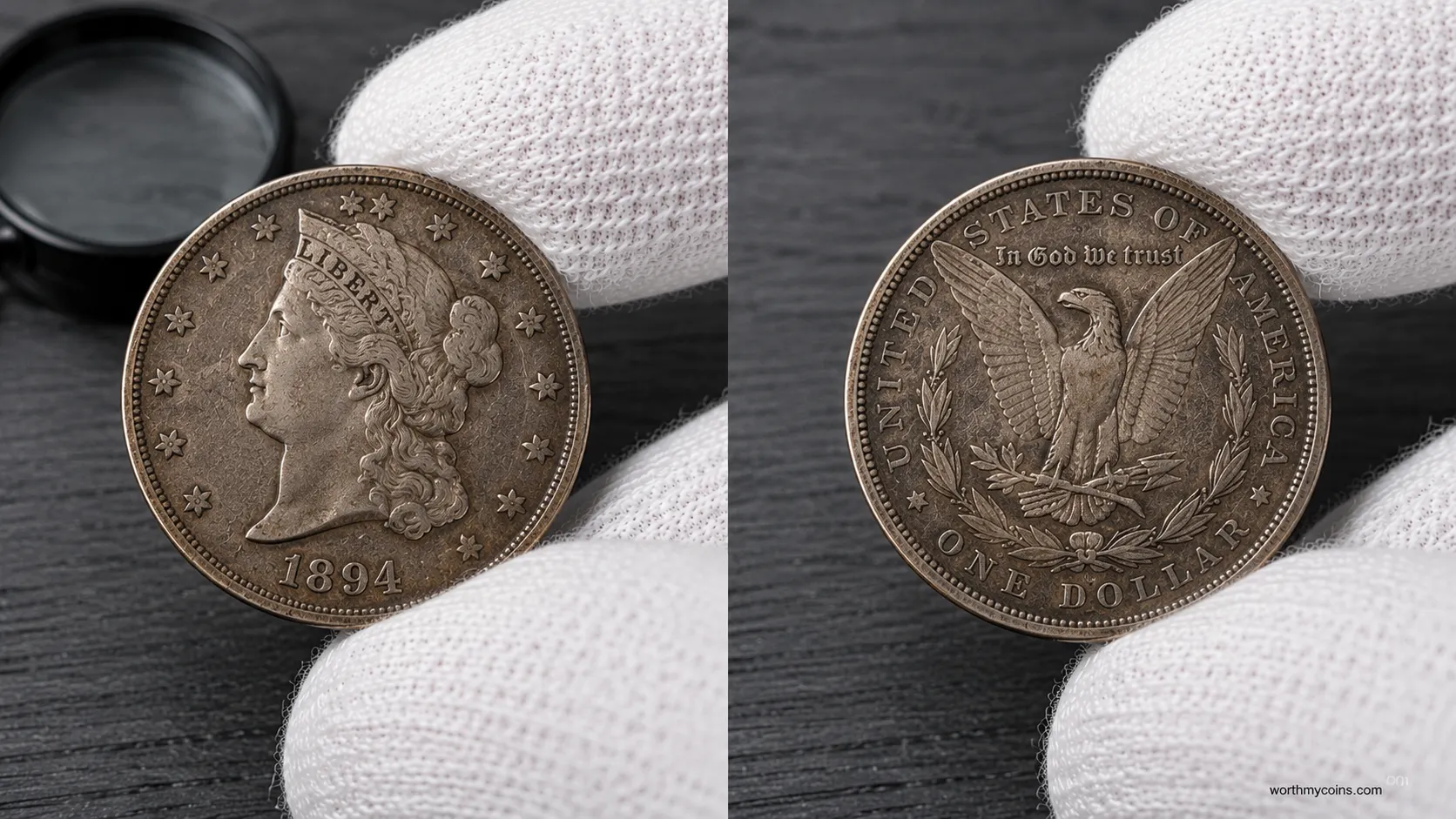
Most coins in circulation are worth only their face value, but a small group of legendary American coins have sold for millions of dollars at major auctions. These record-breaking sales capture headlines, attract global attention, and demonstrate how rarity, history, condition, provenance, and collector demand can combine to create extraordinary value.
For beginners, these famous coins offer more than just eye-popping prices. They provide insight into what collectors value most and why certain coins become the centerpieces of elite collections. Understanding these historic sales can help collectors better appreciate rarity, grading, provenance, and the factors that drive the upper end of the numismatic market.
Quick Answer
Some of the most expensive U.S. coins ever sold at auction include the 1933 Saint-Gaudens Double Eagle, 1794 Flowing Hair Silver Dollar, 1787 Brasher Doubloon, 1913 Liberty Head Nickel, and 1804 Draped Bust Dollar. These coins achieved record prices because of their rarity, historical significance, exceptional preservation, and strong collector demand.
Why Do Certain Coins Sell for Millions?
Not every old coin becomes valuable. In fact, most older coins remain relatively common despite their age.
The coins that achieve record auction prices typically share several characteristics:
| Factor | Why It Matters |
|---|---|
| Extreme Rarity | Very few examples survive. |
| Historical Importance | The coin represents a significant moment in U.S. history. |
| Condition | Superior preservation attracts strong bidding. |
| Provenance | Ownership history can increase desirability. |
| Collector Demand | Competition among wealthy collectors drives prices higher. |
| Certification | Professional grading provides confidence and authenticity. |
One important point for beginners is that no single factor creates a multi-million-dollar coin. The most famous auction records usually involve coins that combine rarity, historical importance, strong provenance, exceptional preservation, and sustained collector demand.
When multiple factors come together in a single coin, auction records can be broken.
1. 1933 Saint-Gaudens Double Eagle
The 1933 Saint-Gaudens Double Eagle is widely considered the most famous American coin ever sold.
Although nearly 445,000 examples were struck, the coins were never officially released into circulation due to changes in U.S. monetary policy during the Great Depression. Most were melted, leaving only a handful of surviving examples.
Why It Matters
The coin combines:
- Extraordinary rarity
- Legal intrigue
- Historical significance
- Exceptional artistic design
Record Auction Sale
A specimen legally authorized for private ownership sold for $18.9 million in 2021 through Sotheby’s, establishing a new record for the most expensive coin ever sold at public auction.
Identification
Collectors should understand that genuine privately owned examples are extraordinarily rare and effectively unavailable to ordinary collectors.
2. 1794 Flowing Hair Silver Dollar
The 1794 Flowing Hair Dollar occupies a special place in American numismatics.
Many researchers believe it represents the first silver dollar struck by the United States Mint.
Historical Significance
This coin symbolizes the beginning of federal silver dollar production and early American coinage.
Record Sale
An exceptional specimen sold for more than $10 million in a widely publicized auction, making it one of the most valuable U.S. coins ever offered.
What Makes It Special
The coin’s importance extends beyond rarity. It serves as a tangible connection to the earliest years of the United States Mint.
3. 1787 Brasher Doubloon
Although technically predating federal coinage, the Brasher Doubloon remains one of the most celebrated coins associated with American numismatic history.
The coin was produced by New York goldsmith Ephraim Brasher.
Why Collectors Value It
The Brasher Doubloon represents:
- Early American gold coinage
- Exceptional rarity
- Historical importance
- Strong collector demand
Auction Performance
Several examples have sold for millions of dollars, with notable specimens reaching well beyond $9 million at major auction events.
4. 1804 Draped Bust Dollar
Despite its date, the famous 1804 Dollar was actually produced decades later as a diplomatic presentation coin.
Its unusual history has fascinated collectors for generations.
The “King of American Coins”
The coin earned this nickname because of its rarity, prestige, and long-standing importance within American numismatics.
Only a very small number of examples are known.
Record Auction Results
Top-quality specimens have repeatedly achieved multi-million-dollar prices, reinforcing the coin’s status as one of the most desirable American rarities.
Why It Remains Important
Few coins combine rarity, mystery, and historical significance as effectively as the 1804 Dollar.
5. 1913 Liberty Head Nickel
The 1913 Liberty Head Nickel is one of the most recognizable rarities in American numismatics.
Collectors interested in learning more about this legendary rarity can explore 1913 Liberty Head Nickel Value Guide: Why This Rare Coin Is Worth Millions.
Why It’s Famous
Production of Liberty Head Nickels officially ended in 1912 when the Buffalo Nickel replaced the design.
Yet five examples dated 1913 somehow exist.
Collector Interest
Because only five specimens are known, every appearance at auction generates significant attention.
Record Prices
Individual examples have sold for several million dollars, making the coin one of the most valuable nickels ever produced.
Understanding the Role of Coin Grading
For elite rarities, collectors often focus not only on the numerical grade but also on factors such as eye appeal, originality, strike quality, and provenance. These characteristics can influence bidding even among coins with similar certified grades.
One reason auction records vary significantly is condition.
Collectors studying how rarity and condition affect value may also find Top 10 Rare Coin Errors Worth Money Found in Circulation useful.
Two examples of the same date and type can sell for dramatically different amounts depending on preservation.
Professional grading services evaluate several characteristics, including:
- Surface quality
- Strike quality
- Wear
- Eye appeal
- Overall preservation
For elite rarities, even small differences in grade can influence auction results by hundreds of thousands—or even millions—of dollars.
Common Misconceptions About Record-Breaking Coins
Many beginners assume every old coin is valuable because they hear about multi-million-dollar auction sales.
In reality:
- Age alone does not create value.
- Most surviving coins are common.
- Rarity is often more important than age.
- Condition significantly affects market value.
- Authentication is essential, particularly for famous rarities and heavily counterfeited issues.
Understanding these fundamentals helps collectors approach the hobby realistically.
6. 1822 Capped Head Half Eagle
The 1822 Capped Head Half Eagle is one of the rarest regular-issue U.S. gold coins.
Although thousands were originally struck, nearly all were lost, melted, or otherwise removed from the numismatic marketplace over time.
Why It Is So Rare
Only a few examples are known to survive today, with most permanently held in institutional collections.
That leaves extremely limited opportunities for private collectors to acquire one.
Major Auction Results
Whenever a privately owned specimen appears at auction, it attracts intense interest from advanced collectors and investors because so few examples are available.
Historical Importance
The coin represents an important era in early American gold coinage and remains one of the most respected rarities in the hobby.
7. 1894-S Barber Dime
The 1894-S Barber Dime has fascinated collectors for more than a century.
For additional context on other important Barber Dime issues, see Top 10 Barber Dimes Worth Money That Collectors Are Hunting in 2026.
The San Francisco Mint struck only 24 examples, making it one of the lowest-mintage regular-issue U.S. coins.
Why Collectors Pursue It
Its appeal comes from:
- Extremely low mintage
- Famous numismatic history
- Strong collector demand
- Long-standing rarity
Auction Performance
High-grade examples have sold for millions of dollars at major auctions, consistently placing the coin among the most valuable dimes in American numismatics.
Identification
Authenticity is critical because the coin’s rarity has led to numerous counterfeits and altered pieces over the years.
8. 723 Um? No — The 1796 Draped Bust Quarter
Among early U.S. quarters, the 1796 Draped Bust Quarter stands out as one of the most important issues.
Collectors who enjoy studying valuable quarter-dollar issues may also want to read Top 10 Rare Washington Quarters Worth Big Money That Could Surprise Collectors.
It was the first quarter dollar struck by the United States Mint.
Historical Significance
Collectors value the coin because it marks the beginning of quarter-dollar production in the United States.
Scarcity
The original mintage was relatively small, and surviving examples are scarce compared to later quarter issues.
Auction Records
Exceptional certified specimens have realized substantial six-figure and seven-figure prices at major auctions, particularly when preservation is outstanding.
9. 1870-S Seated Liberty Dollar
The 1870-S Seated Liberty Dollar is one of the greatest rarities in American coin collecting.
Its history remains the subject of numismatic research and discussion.
Why It Is Important
Very few examples are known, and each surviving specimen is closely tracked by researchers and collectors.
Collector Demand
The combination of rarity, mystery, and historical significance makes the coin highly desirable whenever it appears publicly.
Auction Results
Top examples have achieved multi-million-dollar prices, reinforcing their place among America’s greatest numismatic treasures.
10. 1885 Trade Dollar
The 1885 Trade Dollar represents one of the rarest issues in the entire Trade Dollar series.
Only a handful of examples are known.
Why It Commands Attention
Collectors are drawn to:
- Extreme rarity
- Limited surviving population
- Historical importance within the Trade Dollar series
Auction History
Certified examples have sold for millions of dollars, making the issue one of the most valuable U.S. silver coins ever offered publicly.
Comparison of Record-Setting U.S. Coins
| Coin | Year | Composition | Why It Is Famous |
|---|---|---|---|
| Saint-Gaudens Double Eagle | 1933 | Gold | Most expensive coin sold at auction |
| Flowing Hair Dollar | 1794 | Silver | Earliest U.S. silver dollar |
| Brasher Doubloon | 1787 | Gold | Early American gold rarity |
| Draped Bust Dollar | 1804 | Silver | “King of American Coins” |
| Liberty Head Nickel | 1913 | Nickel | Only five known |
| Capped Head Half Eagle | 1822 | Gold | One of the rarest U.S. gold coins |
| Barber Dime | 1894-S | Silver | Famous low-mintage rarity |
| Draped Bust Quarter | 1796 | Silver | First U.S. quarter |
| Seated Liberty Dollar | 1870-S | Silver | Legendary rarity |
| Trade Dollar | 1885 | Silver | Extremely limited surviving examples |
What Can Collectors Learn From These Auction Records?
These record-setting auction results reveal several important lessons about how collectors evaluate rarity and desirability.
Rarity Matters
Coins with extremely small surviving populations generally attract stronger long-term collector interest.
Many of the hobby’s most famous rarities are highlighted in Top 10 Lincoln Wheat Pennies Worth Money That Every Collector Should Check.
Condition Matters
Many record-setting coins achieved extraordinary prices because they were among the finest known examples.
Provenance Matters
Ownership history often adds another layer of desirability, especially when a coin can be traced through important collections or notable auction appearances.
A coin that has passed through famous collections may receive additional attention when it returns to auction.
Authentication Matters
Virtually every record-breaking coin has been certified and authenticated by a respected third-party grading service.
Accurate identification is especially important when evaluating varieties discussed in Washington Quarter Error Guide: Rare Mint Errors Every Collector Should Know.
How Major Auction Houses Influence the Market
Auction records are most useful when viewed as historical market benchmarks rather than guaranteed indicators of future value. Each coin is unique, and future results depend on collector demand, market conditions, and the quality of the specific specimen offered.
Leading auction firms play a significant role in establishing market benchmarks.
By bringing together advanced collectors from around the world, major auctions help establish market benchmarks for elite numismatic rarities.
When a major rarity appears for sale:
- Competitive bidding increases visibility.
- Public records establish market references.
- Collectors gain insight into current demand.
- Future valuations often reference those results.
However, auction prices should not be viewed as guarantees of future performance. Market conditions and collector demand can change over time.
Frequently Asked Questions
What is the most expensive U.S. coin ever sold?
The 1933 Saint-Gaudens Double Eagle currently holds the record for the highest publicly reported auction price for a U.S. coin, selling for $18.9 million in 2021.
Why are some coins worth millions while others are worth only face value?
Value depends on rarity, demand, historical importance, condition, authenticity, and collector interest. Most coins are common and readily available, while record-setting coins are exceptionally rare.
Can these record-setting coins still be found in circulation?
No. Coins such as the 1933 Double Eagle, 1804 Dollar, and 1913 Liberty Head Nickel are well documented and closely tracked by the numismatic community.
Does grading affect auction prices?
Yes. Professional grading often has a major impact on value. Small differences in grade can significantly affect auction results for rare coins.
Are auction records permanent?
No. New sales can establish higher records as market conditions evolve and collectors compete for elite rarities.
Should beginners buy expensive rare coins?
Most collectors begin with more affordable series. Studying famous rarities can provide valuable education even if purchasing them is not practical.
Conclusion
The highest-priced U.S. coins ever sold at auction represent far more than valuable pieces of metal. They are historical artifacts that tell the story of American coinage, economic history, and collector passion. From the legendary 1933 Saint-Gaudens Double Eagle to the elusive 1894-S Barber Dime and 1913 Liberty Head Nickel, these coins have earned their place in numismatic history through rarity, significance, and enduring demand.
For collectors, the lesson is not that every coin is worth millions. Rather, it is that rarity, authenticity, condition, and historical importance are the foundations of long-term numismatic value. By understanding why these famous coins achieved record prices, collectors gain a deeper appreciation for the factors that shape the coin market at every level.
References
- United States Mint
- Professional Coin Grading Service (PCGS)
- Numismatic Guaranty Company (NGC)
- American Numismatic Association (ANA)
- Heritage Auctions Archives
- Stack’s Bowers Galleries Auction Archives
- Newman Numismatic Portal

Narayan Kumar is the Founder and Author of Worth My Coins. She specializes in U.S. coin collecting, with a focus on coin identification, mint errors, grading, rare varieties, and collector education. Her goal is to publish accurate, well-researched, and easy-to-understand guides that help both new and experienced collectors make informed decisions. Every article is created using trusted numismatic references and is written with a commitment to accuracy, transparency, and long-term educational value.