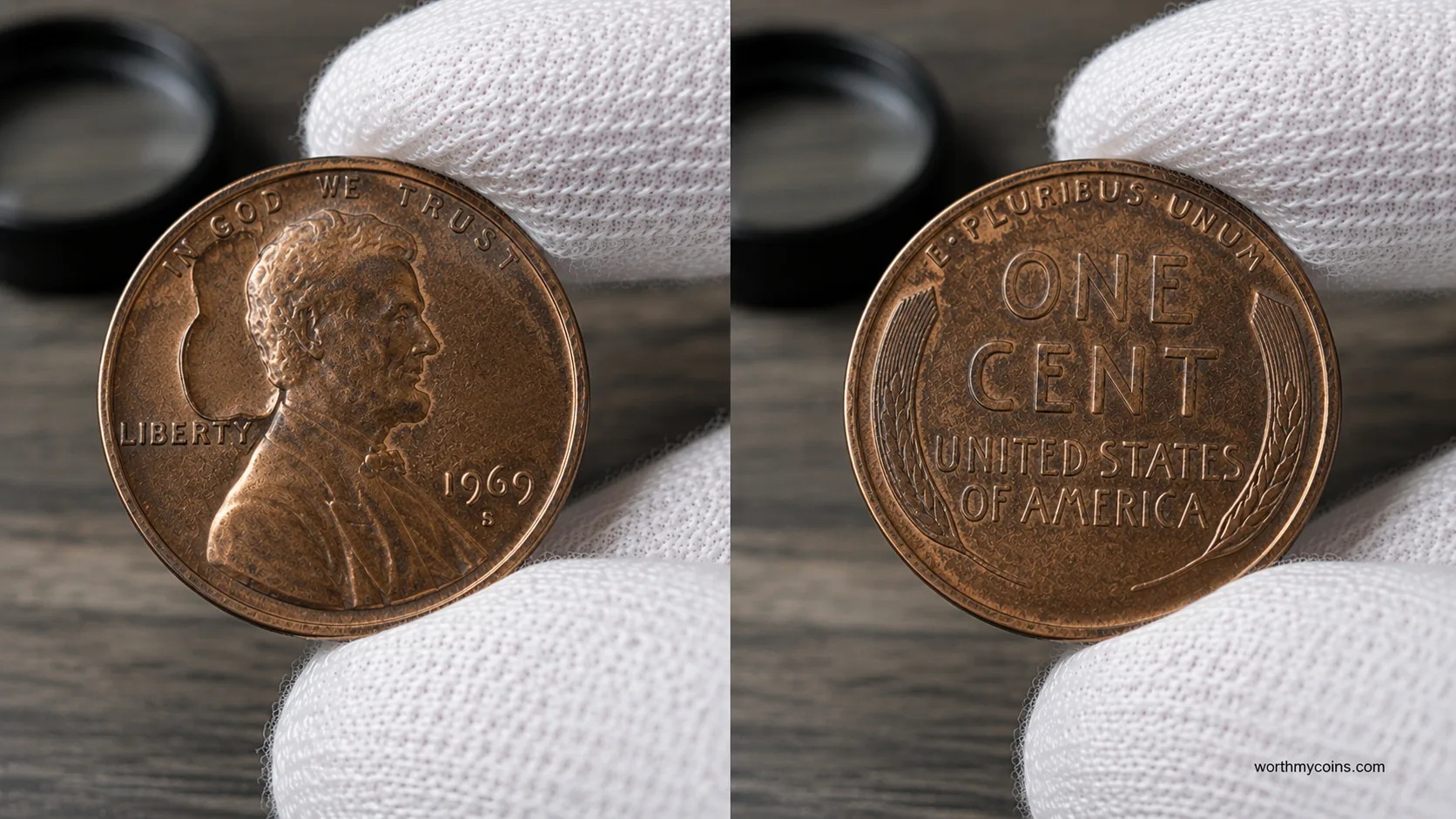
Lincoln pennies are among the most widely collected coins in American numismatics, and some of the most valuable examples aren’t rare because of low mintages—they’re valuable because something went wrong during the minting process. Certain Lincoln cent errors have become legendary among collectors, attracting strong demand at major auctions and earning a place in nearly every serious error-coin collection.
If you’ve ever searched through a jar of pennies, inherited a collection, or wondered whether an unusual-looking cent might be valuable, understanding the most important Lincoln penny errors is a great place to start.
Quick Answer
The most famous Lincoln penny errors include the 1955 Doubled Die Obverse, 1943 Bronze Cent, 1944 Steel Cent, major off-center strikes, broadstrikes, and dramatic die varieties. The most valuable examples often sell for thousands—or even hundreds of thousands—of dollars when authenticated and graded by professional services such as PCGS or NGC.
What Makes a Lincoln Penny Error Valuable?
Not every unusual-looking penny is worth money.
Collectors generally evaluate Lincoln cent errors using several factors:
- Rarity of the error
- Strength and visibility of the mistake
- Overall coin condition
- Collector demand
- Certification status
- Historical significance
A dramatic, well-documented error that is easily identifiable generally attracts the strongest collector demand and market interest.
Top Lincoln Penny Errors Collectors Should Know
Comparison Table
| Error Type | Years Known | Why Collectors Want It |
|---|---|---|
| 1955 Doubled Die Obverse | 1955 | One of the most famous U.S. coin errors |
| 1943 Bronze Cent | 1943 | Extremely rare transitional error |
| 1944 Steel Cent | 1944 | Opposite transitional error of 1943 bronze |
| Doubled Die Varieties | Multiple years | Strong collector demand |
| Off-Center Strikes | Various | Easy-to-see mint error |
| Broadstrikes | Various | Dramatic appearance |
| Repunched Mint Marks | Various Wheat Cent years | Popular variety among specialists |
| Die Cracks & Cuds | Various | Distinctive mint-made errors |
| BIE Die Breaks | Various | Affordable collectible error |
| Wrong Planchet Strikes | Various | Extremely unusual mint mistakes |
1. 1955 Doubled Die Obverse Lincoln Penny
The 1955 Doubled Die Obverse is often considered the king of Lincoln cent errors.
The doubling is visible on the date, inscriptions, and lettering without magnification. Unlike machine doubling, this variety resulted from a misalignment during die creation.
Collectors have pursued this coin for decades because the error is dramatic, easily recognized, and historically important within the Lincoln cent series.
Readers who want to learn more about this topic should also read our 1955 Doubled Die Lincoln Penny Value Guide: How to Identify This Famous Error Coin, where we explain the subject in greater detail with practical examples and collector-friendly guidance.
2. 1943 Bronze Lincoln Cent
During World War II, the U.S. Mint produced cents using zinc-coated steel to conserve copper for the war effort.
A tiny number of bronze planchets from 1942 reportedly remained in the production system and were accidentally struck with 1943 dies.
These coins are among the most famous rarities in American numismatics.
Authentic examples have sold for substantial sums at major auctions, making them one of the most sought-after Lincoln cents ever produced.
Readers who want to learn more about this topic should also read our 1943 Bronze Lincoln Wheat Penny Value Guide: Identification, Rarity & Collector’s Guide, where we explain the subject in greater detail with practical examples and collector-friendly guidance.
Identification Tips
- Bronze examples do not stick to a magnet.
- Steel cents are magnetic.
- Weight differences can provide useful supporting evidence during authentication, although professional verification is still recommended for significant coins.
- Professional authentication is essential.
3. 1943-D Bronze Lincoln Cent
Among all known Lincoln cent errors, the 1943-D Bronze Cent stands in an elite category.
Only a very small number are known.
Its combination of rarity, historical significance, and collector demand has produced some of the most impressive auction results ever recorded for a Lincoln penny.
Readers who want to learn more about this topic should also read our The 1943-D Bronze Lincoln Wheat Penny That Sold for $840,000: History, Rarity & Value Explained, where we explain the subject in greater detail with practical examples and collector-friendly guidance.
4. 1944 Steel Lincoln Cent
In 1944, the Mint returned to using copper-based planchets.
However, a small number of leftover steel blanks from 1943 reportedly entered production and received 1944 designs.
This created one of the most famous transitional errors in U.S. coinage.
Authentic examples are rare and highly desirable among advanced collectors.
5. Major Doubled Die Lincoln Pennies
While the 1955 variety gets most of the attention, other doubled die Lincoln cents are also collected.
A doubled die occurs during the die manufacturing process rather than during striking.
Collectors should look closely at:
- Dates
- LIBERTY
- IN GOD WE TRUST
- Lincoln’s portrait details
Strong doubling is generally more desirable than minor doubling.
6. Off-Center Strike Errors
Off-center strikes occur when the coin blank is not properly positioned during striking.
The result is a coin with part of the design missing.
What Collectors Look For
- Percentage off center
- Visible date
- Overall eye appeal
- Coin condition
Coins showing both a visible date and dramatic displacement are often the most desirable.
7. Broadstrike Lincoln Pennies
Broadstrike errors happen when the retaining collar fails during striking.
Without the collar, the coin expands beyond its normal diameter.
Broadstrikes are popular because they are easy to recognize and clearly illustrate a genuine mint-made production error.
8. Repunched Mint Mark Varieties
Before mint marks became part of the master die process, they were punched individually into working dies.
Sometimes the mint mark was punched more than once.
This created varieties known as Repunched Mint Marks (RPMs).
These are especially popular among Lincoln Wheat cent specialists.
Readers who want to learn more about important key-date Wheat cents should also read our 1914-D Lincoln Wheat Penny Value Guide: Key Date, Mint Marks & Current Prices, where we explain the subject in greater detail with practical examples and collector-friendly guidance.
9. Die Cracks, Cuds, and Major Die Breaks
Mint dies wear out over time.
As they deteriorate, cracks can develop.
When a portion of the die breaks away, a raised blob of metal known as a cud may appear on the struck coin.
Large cuds are often collected because they are highly visible and unique.
How to Spot Them
- Raised lines crossing the design
- Missing design elements
- Raised metal blobs near the rim
- Repeated appearance on multiple examples
10. Wrong Planchet Errors
Wrong planchet errors occur when a coin is struck on a blank intended for another denomination or composition.
These errors can produce unusual weights, colors, and sizes.
Because they require unusual production circumstances, wrong-planchet errors are generally scarce and closely studied by error specialists.
How to Tell If Your Lincoln Penny Error Is Genuine
Many collectors mistakenly assume damage equals value.
In reality, most unusual-looking pennies were altered after leaving the Mint.
Common Non-Errors
- Parking lot damage
- Dryer coins
- Corrosion
- Environmental damage
- Tool marks
- Heat damage
Signs of a Genuine Mint Error
- Consistent metal flow
- Correct strike characteristics
- Documented variety attribution
- Matching examples in numismatic references
When in doubt, compare your coin with verified examples or seek professional authentication.
Readers who want to learn more about recognized Lincoln cent varieties should also read our Rare Lincoln Wheat Penny Errors Worth Money: 12 Valuable Varieties Every Collector Should Know, where we explain the subject in greater detail with practical examples and collector-friendly guidance.
Mint Marks and Why They Matter
Lincoln cents have been produced at multiple U.S. Mint facilities.
Common Mint Marks
| Mint | Mint Mark |
|---|---|
| Philadelphia | No Mint Mark (most years) |
| Denver | D |
| San Francisco | S |
In some cases, the same error can be significantly rarer from one mint than another.
Understanding mint marks helps collectors evaluate relative scarcity and demand.
Readers who want to learn more about one of the most famous San Francisco issues should also read our 1909-S VDB Lincoln Wheat Penny Value Guide: Why This Rare Cent Is So Important to Collectors, where we explain the subject in greater detail with practical examples and collector-friendly guidance.
Grading Matters More Than Many Beginners Realize
Two examples of the same error can have dramatically different values.
Professional grading evaluates:
- Surface preservation
- Strike quality
- Luster
- Eye appeal
- Overall condition
Certified examples from major grading services typically attract greater buyer confidence because authenticity and condition have been independently evaluated.
Even among coins with the same error type, differences in surface preservation, eye appeal, strike quality, and overall condition can significantly influence collector demand.
Common Mistakes New Collectors Make
Cleaning Coins
Cleaning often reduces collector value.
Trusting Social Media Claims
Many viral posts exaggerate rarity or value.
Ignoring Authentication
Significant error coins should be professionally authenticated before major buying or selling decisions whenever authenticity is uncertain.
Confusing Damage With Errors
Post-mint damage is far more common than genuine mint mistakes.
Readers who want to learn more about valuable Lincoln cents beyond error coins should also read our Top 10 Lincoln Wheat Pennies Worth Money That Every Collector Should Check, where we explain the subject in greater detail with practical examples and collector-friendly guidance.
Buying and Selling Lincoln Penny Errors
When buying:
- Purchase from reputable dealers
- Verify certifications
- Review attribution information
- Study recent auction records
When evaluating an important error coin, compare it with documented reference examples whenever possible. Proper attribution helps prevent confusion between genuine mint-made errors and post-mint damage.
When selling:
- Consider professional grading for significant pieces
- Keep documentation
- Compare recent market activity
- Use established auction houses for major rarities
Readers who want to learn more about valuable Lincoln cents that have achieved impressive auction results should also read our Top 10 Lincoln Pennies Worth Money That Sold for Thousands at Auction, where we explain the subject in greater detail with practical examples and collector-friendly guidance.
Final Thoughts
Lincoln penny errors remain one of the most exciting areas of coin collecting because they combine history, rarity, and the possibility of discovery. While famous pieces like the 1955 Doubled Die and 1943 Bronze Cent receive the most attention, many other legitimate error varieties continue to attract collectors. The key is understanding how genuine mint errors occur, recognizing the importance of grading and authentication, and relying on trusted numismatic references rather than sensational claims. With careful study and patience, collectors can build both knowledge and confidence while exploring one of the most popular series in American coinage.
FAQ
What is the most famous Lincoln penny error?
Most collectors consider the 1955 Doubled Die Obverse Lincoln cent the most famous because the doubling is dramatic and visible without magnification.
Are all error pennies valuable?
No. Value depends on rarity, demand, condition, and whether the error is recognized by the numismatic community.
How can I tell if a 1943 penny is bronze?
A genuine 1943 bronze cent should not be attracted to a magnet. However, professional authentication is essential because many counterfeits exist.
Should I clean an error penny before selling it?
No. Cleaning can permanently damage a coin and may reduce its collector value.
What grading companies are most respected for Lincoln penny errors?
PCGS and NGC are generally considered the leading third-party grading and authentication services in the United States.
Are off-center Lincoln pennies always valuable?
Not always. Value depends on the degree of the error, visibility of the date, condition, and collector demand.
References
- United States Mint
- Professional Coin Grading Service (PCGS)
- Numismatic Guaranty Company (NGC)
- American Numismatic Association (ANA)
- Heritage Auctions
- Stack’s Bowers Galleries
- Newman Numismatic Portal

Narayan Kumar is the Founder and Author of Worth My Coins. She specializes in U.S. coin collecting, with a focus on coin identification, mint errors, grading, rare varieties, and collector education. Her goal is to publish accurate, well-researched, and easy-to-understand guides that help both new and experienced collectors make informed decisions. Every article is created using trusted numismatic references and is written with a commitment to accuracy, transparency, and long-term educational value.