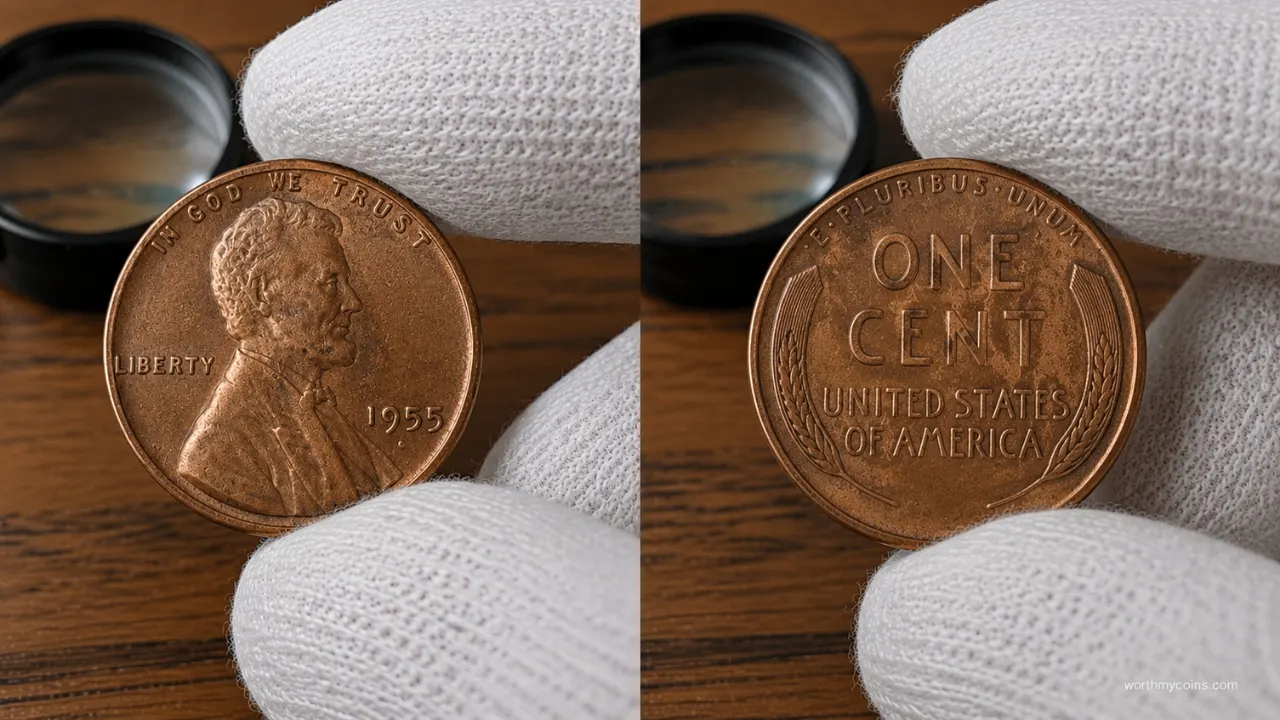
Lincoln Wheat Pennies are among the most popular U.S. coins ever collected, but not every valuable cent is valuable because of its date alone. Some of the most desirable Wheat Pennies became famous because of dramatic mint errors and die varieties that collectors have pursued for decades. Learning how to recognize these errors can help you separate ordinary coins from pieces that deserve a much closer look.
Whether you’re searching through an inherited collection or checking old penny jars, this guide explains twelve of the best-known Lincoln Wheat Penny errors, how to identify them, and why collectors continue to seek them today.
Quick Answer
The most valuable Lincoln Wheat Penny errors include famous varieties such as doubled dies, off-metal strikes, repunched mint marks, overdates, and other mint-made production mistakes. Their desirability depends on authenticity, condition, rarity, certification, eye appeal, and current collector demand—not simply because they are old pennies.
Readers who want a complete overview of the entire Wheat Cent series should also read our Lincoln Wheat Penny Value Guide (1909–1958): Prices, Errors & Rare Coins, where we explain key dates, grading, mint marks, and collecting strategies in greater detail.
What Is a Lincoln Wheat Penny Error?
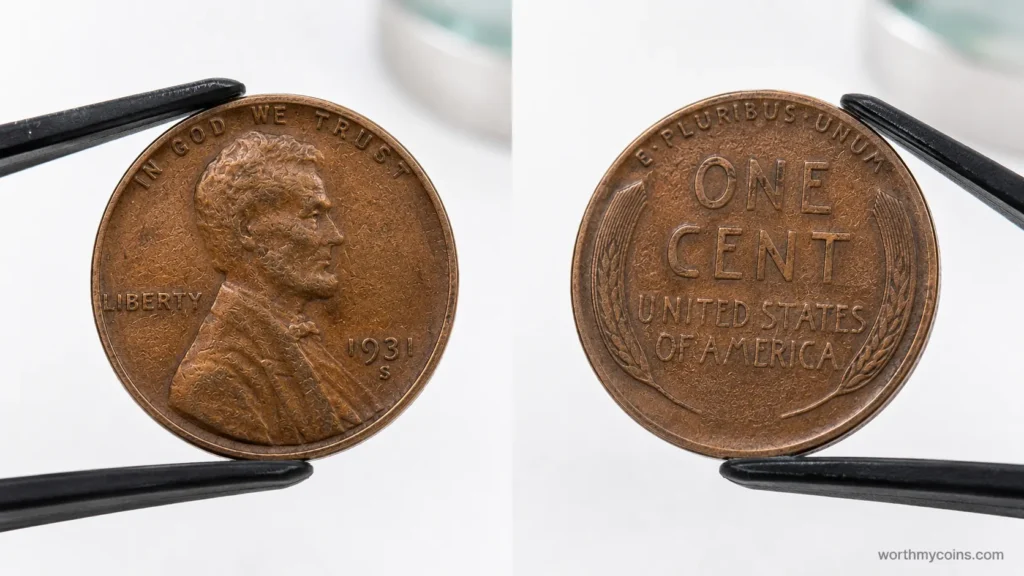
A mint error occurs when something unexpected happens during the coin’s production at the U.S. Mint. These mistakes are different from scratches, damage, or alterations that happen after a coin enters circulation.
Collectors generally recognize several categories of mint errors, including:
- Die errors
- Planchet errors
- Strike errors
- Hub varieties
- Mint mark varieties
Understanding this distinction is important because post-mint damage rarely carries the same collector interest as a genuine mint-made error.
Why Error Coins Can Be More Valuable
Many Wheat Pennies were struck by the billions, making most ordinary examples relatively common.
A genuine mint error may be significantly scarcer than a regular coin from the same year, especially when the variety has been widely recognized and documented by leading numismatic references. When that rarity is combined with strong collector demand and professional authentication, certain varieties become some of the most desirable coins in American numismatics.
Value is influenced by several factors working together:
| Factor | Why It Matters |
|---|---|
| Error Type | Major recognized varieties usually attract stronger demand. |
| Rarity | Scarcer varieties are generally more collectible. |
| Grade | Better-preserved coins are usually more desirable. |
| Original Surfaces | Natural, unaltered coins are preferred. |
| Certification | Authentication increases buyer confidence. |
1. 1955 Doubled Die Obverse
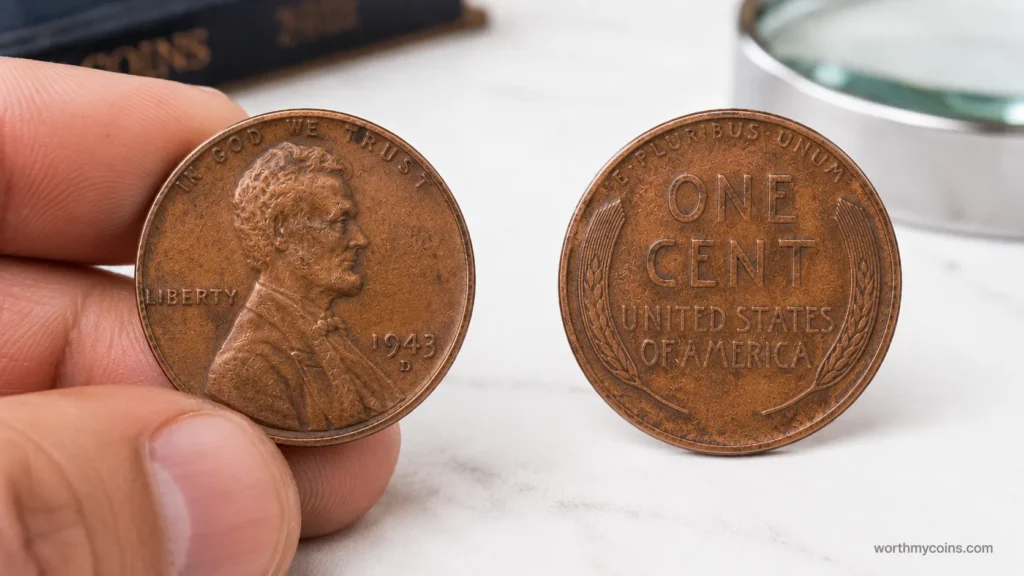
The 1955 Doubled Die Obverse is one of the most famous error varieties ever produced by the U.S. Mint.
The strongest doubling appears on:
- LIBERTY
- IN GOD WE TRUST
- The date
Unlike minor machine doubling, the genuine 1955 Doubled Die shows bold, easily visible separation that can often be seen without magnification.
Because of its popularity, this variety has been widely counterfeited. Collectors should compare any suspected example with recognized reference materials and consider professional authentication before assuming it is a genuine variety.
Readers who want a complete identification guide should also read our 1955 Doubled Die Lincoln Penny Value Guide: How to Identify This Famous Error Coin, where we explain diagnostics, grading, and what makes this variety so important.
2. 1943 Bronze Lincoln Wheat Penny
The 1943 Bronze Lincoln Wheat Penny is one of the rarest and most famous U.S. error coins ever discovered.
During 1943, Lincoln cents were intended to be struck on zinc-coated steel planchets because copper was needed for the war effort. A very small number of leftover bronze planchets from 1942 were accidentally used, creating one of the hobby’s best-known off-metal errors.
Because of its fame, this coin has inspired countless altered and counterfeit examples.
Collectors should never assume a copper-colored 1943 cent is genuine without proper authentication.
Readers interested in learning how to identify this famous rarity should also read our 1943 Bronze Lincoln Wheat Penny Value Guide: Identification, Rarity & Collector’s Guide.
3. 1943-D Bronze Lincoln Wheat Penny
Even rarer than the Philadelphia bronze error is the legendary 1943-D Bronze Lincoln Wheat Penny.
Only a tiny number of genuine examples are known, making this one of the most celebrated Lincoln cent errors ever produced.
Because of its extreme rarity and history, nearly every suspected example should be professionally authenticated before any buying or selling decision is made.
Readers who enjoy learning about legendary U.S. coin discoveries should also read our The 1943-D Bronze Lincoln Wheat Penny That Sold for $840,000: History, Rarity & Value Explained, where we explore the fascinating story behind this remarkable coin.
4. Repunched Mint Marks (RPMs)
Before mint marks became part of the working die during the hubbing process, they were punched into dies by hand.
Occasionally, the punch shifted between impressions, leaving multiple overlapping mint mark images. These are known as Repunched Mint Marks (RPMs).
Collectors often examine:
- D over D
- S over S
- D over S (where documented)
Not every unusual-looking mint mark is a true RPM. Wear, damage, and die deterioration can sometimes create misleading appearances, so comparison with recognized references is essential.
5. Off-Center Strike Errors
An off-center strike occurs when the planchet is not properly positioned between the dies during striking.
The result is a coin with part of its design missing while the remaining design is shifted toward one side.
Collectors generally value these errors based on:
- Percentage off-center
- Visibility of the date
- Overall eye appeal
- Authentication
6. Doubled Die Reverse Varieties
While the 1955 Doubled Die Obverse receives most of the attention, several Lincoln Wheat Pennies are also known for significant Doubled Die Reverse (DDR) varieties.
Depending on the specific variety, doubling may appear on:
- ONE CENT
- UNITED STATES OF AMERICA
- E PLURIBUS UNUM
Collectors should distinguish genuine hub doubling from machine doubling, which is much more common and usually carries little or no collector premium.
Professional attribution is often recommended for suspected doubled die varieties.
7. BIE Die Break Errors
One of the most popular minor Lincoln cent varieties is the BIE error.
This occurs when a small die crack develops between the letters B and E in the word LIBERTY, creating what appears to be an extra letter “I.”
Although BIE varieties are collectible, they are generally considered minor die varieties rather than major rarities.
Collectors enjoy searching for them because they can often still be found in circulation or older collections.
8. Clipped Planchet Errors
A clipped planchet occurs before striking when part of the blank coin is improperly cut from the metal strip.
The finished coin shows a missing curved or straight section along its edge.
Collectors examine several features when evaluating clipped planchets:
- Shape of the clip
- Size
- Strike quality
- Presence of the Blakesley Effect
- Overall eye appeal
Because clipping happens before striking, the missing portion should display characteristics consistent with genuine mint production.
9. Lamination Errors
Occasionally, impurities or imperfections in the metal strip cause part of the coin’s surface to separate either during or after striking.
These are known as lamination errors.
They may appear as:
- Peeling metal
- Flaking surfaces
- Raised metal layers
- Irregular surface splits
Collectors should avoid confusing lamination errors with corrosion or environmental damage, which occur after the coin leaves the Mint.
10. Broadstrike Errors
A broadstrike occurs when a coin is struck outside its retaining collar.
Without the collar restricting expansion, the coin becomes:
- Slightly wider than normal
- Missing its fully formed rim
- Often showing expanded design elements near the edge
Broadstrikes are recognized mint errors, although collector demand varies depending on the severity and overall appearance of the coin.
Readers interested in another famous key-date Wheat Cent should also read our 1909-S VDB Lincoln Wheat Penny Value Guide: Why This Rare Cent Is So Important to Collectors, where we explain why scarcity, authentication, and condition make this coin one of the most sought-after Lincoln cents.
11. Overdate Varieties
An overdate occurs when one date is struck over another during die preparation.
These varieties are uncommon in the Lincoln Wheat Penny series, and only recognized examples documented by respected numismatic researchers should be considered legitimate collectible varieties.
Collectors should be cautious of online claims showing random marks or damaged dates that are incorrectly described as overdates.
Verification through recognized references remains essential.
12. Wrong Planchet Errors
One of the most dramatic mint errors occurs when a Lincoln Wheat Penny is struck on a planchet intended for another denomination or another country’s coinage.
These off-metal strikes are extremely unusual and typically require professional authentication.
Collectors evaluate factors such as:
- Correct weight
- Diameter
- Metal composition
- Strike characteristics
- Certification
Because altered coins can resemble wrong-planchet errors, authenticated examples are strongly preferred in the marketplace.
How Grading Affects Error Coin Desirability
Even a famous error variety can vary greatly in desirability depending on its condition.
Professional grading services evaluate several characteristics that influence both authenticity and collector desirability:
| Grading Factor | Why It Matters |
|---|---|
| Wear | Less wear generally increases collector appeal. |
| Strike Quality | Strongly struck examples are preferred. |
| Surface Preservation | Fewer marks and damage improve desirability. |
| Original Color | Natural Red, Red-Brown, or Brown surfaces influence collector demand. |
| Eye Appeal | Attractive, original examples often command stronger interest. |
Authentication becomes especially important for high-profile varieties because many have been counterfeited or altered over the years.
Common Mistakes Beginners Make
When searching for valuable Lincoln Wheat Penny errors, new collectors often make several avoidable mistakes.
Mistaking Damage for Mint Errors
Most unusual-looking coins have been damaged after leaving the Mint rather than during production.
Scratches, dents, corrosion, and environmental damage are not considered genuine mint errors.
Cleaning the Coin
Cleaning removes original surfaces and may reduce collector interest, particularly for better varieties.
Believing Every Doubled Coin Is a Doubled Die
Machine doubling is common and differs significantly from genuine hub doubling recognized by major grading services.
Trusting Viral Social Media Claims
Online videos frequently exaggerate rarity or promote unsupported values. Reliable identification should always be based on recognized numismatic references and certified examples.
In the final part, we’ll answer the most frequently asked questions about Lincoln Wheat Penny errors, provide trusted references, summarize the most important identification tips, and conclude with practical advice for collectors.
Frequently Asked Questions
Are all Lincoln Wheat Penny errors valuable?
No. While genuine mint errors are collectible, not every error commands significant premiums. Factors such as the type of error, rarity, condition, eye appeal, and certification all influence collector demand. Major, well-documented varieties are generally more desirable than minor die imperfections.
What is the most famous Lincoln Wheat Penny error?
The 1955 Doubled Die Obverse is widely considered the most famous Lincoln Wheat Penny error because of its dramatic doubling that is visible without magnification. Other legendary errors include the 1943 Bronze Lincoln Wheat Penny and the extremely rare 1943-D Bronze Lincoln Wheat Penny.
How can I tell if my Wheat Penny has a genuine error?
Start by examining the coin under good lighting with magnification. Compare the suspected error with images from trusted numismatic references. If the coin appears to match a recognized variety, professional authentication from a respected grading service is the safest way to confirm it.
Should I clean an error coin?
No. Cleaning can permanently alter a coin’s original surfaces and often reduces its appeal to collectors.
Can circulation damage look like a mint error?
Yes. Many forms of post-mint damage can resemble mint errors, which is why careful comparison with recognized diagnostics is important.
Damage caused after a coin leaves the Mint can sometimes resemble an error. Scratches, dents, corrosion, and impact marks are common examples of post-mint damage and should not be confused with genuine mint-made varieties.
Is professional grading worth it?
Professional grading may be worthwhile if your Lincoln Wheat Penny appears to be:
- A recognized doubled die
- A documented off-metal strike
- A major mint error
- A key-date issue
- An exceptionally well-preserved example
Certification confirms authenticity, assigns a grade, and provides greater confidence for future buyers.
Tips Before Buying or Selling an Error Coin
Whether you’re purchasing or selling a Lincoln Wheat Penny error, following a few best practices can help you make informed decisions.
- Buy certified examples whenever possible.
- Compare recent auction results rather than relying on asking prices.
- Avoid coins that have been cleaned or altered.
- Learn the diagnostics of well-known varieties before making expensive purchases.
- Keep valuable coins in protective holders to preserve their condition.
Completed auction sales generally provide a more reliable picture of current collector demand than unsold listings because they reflect actual market transactions.
Experienced collectors also recommend documenting weight, diameter, and high-resolution photographs when researching possible mint errors.
Practical Buying Checklist
Before purchasing an expensive Lincoln Wheat Penny error, take a few minutes to verify the following:
- Confirm that the error matches recognized diagnostics.
- Compare the coin with certified reference examples.
- Verify the certification number if the coin has already been graded.
- Review recent completed auction sales rather than relying on asking prices.
- Buy from reputable coin dealers or established auction companies whenever possible.
Following this checklist can help reduce the risk of purchasing cleaned, altered, counterfeit, or misidentified coins.
Conclusion
Lincoln Wheat Penny errors remain some of the most exciting discoveries in American coin collecting. From dramatic doubled dies to rare off-metal strikes and famous bronze errors, these varieties continue to attract collectors because of their rarity, history, and the fascinating stories behind their creation.
At the same time, it’s important to remember that not every unusual-looking penny is a genuine mint error. Careful research, comparison with recognized references, and professional authentication can help separate true collectible varieties from ordinary post-mint damage.
Whether you’re searching through an inherited collection or building a Lincoln cent set from scratch, understanding these twelve important error types will help you make better collecting decisions and appreciate one of the most studied coin series in U.S. numismatics.
Readers who want a broader understanding of the entire Lincoln Wheat Penny series should also read our Lincoln Wheat Penny Value Guide (1909–1958): Prices, Errors & Rare Coins, where we cover key dates, grading, mint marks, and other collectible varieties in greater detail.
References
This guide is based on information from recognized numismatic authorities, including:
- United States Mint
- Professional Coin Grading Service (PCGS) CoinFacts
- Numismatic Guaranty Company (NGC) Coin Explorer
- American Numismatic Association (ANA)
- Heritage Auctions
- Stack’s Bowers Galleries
- Newman Numismatic Portal

Narayan Kumar is the Founder and Author of Worth My Coins. She specializes in U.S. coin collecting, with a focus on coin identification, mint errors, grading, rare varieties, and collector education. Her goal is to publish accurate, well-researched, and easy-to-understand guides that help both new and experienced collectors make informed decisions. Every article is created using trusted numismatic references and is written with a commitment to accuracy, transparency, and long-term educational value.