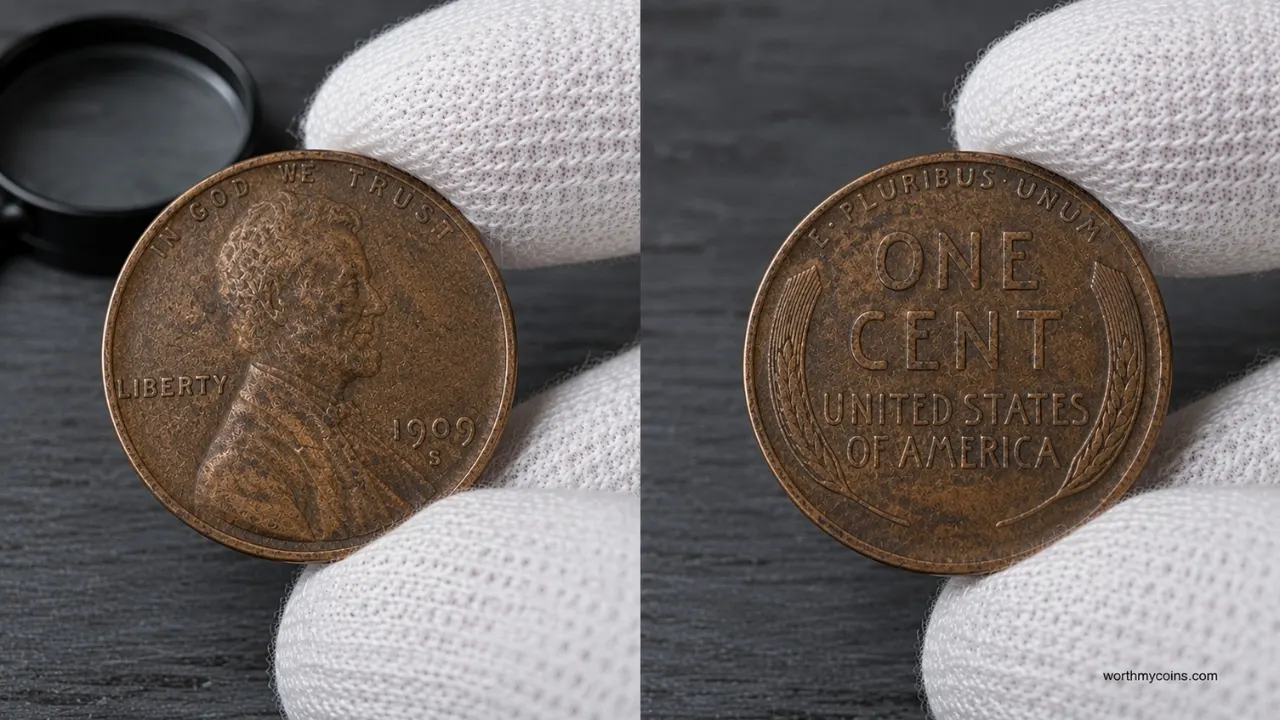
Old, dark, or dirty Lincoln Wheat Pennies often get overlooked because they don’t look impressive at first glance. Many people assume a tarnished or heavily circulated penny can’t be worth much, but experienced collectors know that’s not always true. Some of the most valuable Lincoln Wheat Cents have been discovered in old jars, forgotten collections, and inherited coin boxes with years of natural toning and circulation wear.
If you have a jar filled with old pennies, it’s worth taking a closer look before spending or cleaning them. In this guide, we’ll cover ten Lincoln Wheat Pennies that continue to attract collector attention and explain why even a dirty-looking coin can sometimes be far more valuable than its appearance suggests.
Quick Answer
A dirty Lincoln Wheat Penny is not valuable because it’s dirty. Instead, its value comes from factors such as a rare date, scarce mint mark, genuine mint error, low survival rate, or exceptional rarity. Natural toning and honest circulation wear usually don’t reduce a coin’s collectible appeal as much as improper cleaning does.
Readers who want a complete introduction to the entire series should also read our Lincoln Wheat Penny Value Guide (1909–1958): Prices, Errors & Rare Coins, where we explain key dates, mint marks, grading, and collecting strategies in much greater detail.
Can a Dirty Penny Really Be Valuable?
Absolutely.
Collectors evaluate a coin based on its rarity and originality—not simply how shiny it looks.
Many Lincoln Wheat Pennies naturally darken over time because of oxidation and decades of circulation. This type of aging is completely normal and often preferred over coins that have been aggressively cleaned.
When examining an old penny, collectors focus on:
| Feature | Why It Matters |
|---|---|
| Date | Certain years are much scarcer. |
| Mint Mark | Some mint locations produced far fewer coins. |
| Mint Errors | Genuine mint-made errors attract strong demand. |
| Condition | Better-preserved details increase desirability. |
| Original Surfaces | Natural toning is generally preferred over cleaned surfaces. |
The lesson is simple: never judge a Lincoln Wheat Penny by its color alone. Collectors evaluate several characteristics before deciding whether a coin deserves closer examination.
Top 10 Dirty Lincoln Wheat Pennies Worth Big Money
1. 1909-S VDB Lincoln Wheat Penny
The 1909-S VDB is one of the most famous American cents ever produced.
Issued during the first year of the Lincoln Cent series, it combines a low mintage with enormous collector demand. Even well-circulated examples remain highly desirable because relatively few were struck.
Many genuine examples found today have dark brown surfaces from decades of circulation, yet they continue to command strong collector interest.
Readers interested in learning more should also read our 1909-S VDB Lincoln Wheat Penny Value Guide: Why This Rare Cent Is So Important to Collectors, which explains its history, identification, rarity, and the factors that influence collector demand.
2. 1914-D Lincoln Wheat Penny
The 1914-D is another legendary key date.
Collectors prize this issue because relatively few examples survived compared with many other Lincoln Wheat Pennies. Authentic coins often show years of honest circulation, making naturally worn examples far more common than sharply preserved Mint State coins.
Before assuming you’ve found one, carefully verify both the date and the “D” mint mark, as altered examples occasionally appear in the marketplace.
3. 1922 No D Lincoln Wheat Penny
One of the most famous varieties in the entire Lincoln Cent series is the 1922 No D.
This variety resulted from die-related problems at the Denver Mint that caused some coins to be struck without a visible mint mark.
Because several weakly struck coins can resemble the variety, authentication is recommended before drawing conclusions. Genuine examples continue to receive strong attention from specialists.
Why You Should Never Clean an Old Wheat Penny
A common mistake among beginners is trying to make an old penny look newer.
Cleaning may seem harmless, but it often removes the original surfaces that collectors value most.
Professional grading services routinely identify cleaned coins, and improper cleaning can reduce collector appeal even when the coin is a recognized key date or important variety.
Instead of cleaning an old penny:
- Handle it by the edges.
- Store it in a protective holder.
- Leave natural toning untouched.
- Have potentially valuable coins examined by a reputable grading service.
4. 1943 Bronze Lincoln Wheat Penny
The 1943 Bronze Lincoln Wheat Penny is one of the most famous mint errors in American coin collecting.
During 1943, nearly all Lincoln Cents were struck in zinc-coated steel because copper was needed for the war effort. A very small number of bronze planchets remained in the presses, resulting in one of the rarest and most celebrated error coins ever produced.
Because counterfeit examples are common, professional authentication is essential before assuming a 1943 bronze-looking penny is genuine.
Readers interested in this remarkable rarity should also read our 1943 Bronze Lincoln Wheat Penny Value Guide: Identification, Rarity & Collector’s Guide, where we explain how specialists distinguish genuine examples from altered or counterfeit coins.
5. 1931-S Lincoln Wheat Penny
The 1931-S is one of the best-known key dates in the Lincoln Wheat Cent series.
Its relatively low mintage and decades of steady collector demand have made it an essential coin for anyone assembling a complete Wheat Penny collection. While many surviving examples show honest circulation wear and dark brown surfaces, that natural appearance does not automatically reduce their desirability.
Collectors are generally far more interested in original surfaces than bright or polished appearances.
Readers who want a deeper understanding of this important key date can also explore our Lincoln Wheat Penny Value Guide (1909–1958): Prices, Errors & Rare Coins, which covers the series’ major key dates, mint marks, important varieties, and practical collecting strategies.
6. 1943-D Bronze Lincoln Wheat Penny
The 1943-D Bronze Lincoln Wheat Penny is among the rarest and most celebrated U.S. mint errors ever produced.
During World War II, Lincoln cents were intended to be struck on zinc-coated steel planchets. A tiny number of leftover bronze planchets were accidentally used, creating one of the hobby’s greatest rarities.
Because altered steel cents and counterfeits are common, authentication by a respected grading service is essential before assuming a coin is genuine. Documented examples have realized extraordinary auction prices, but those sales involve authenticated coins.
Readers interested in this famous rarity can also explore our 1943-D Bronze Lincoln Wheat Penny That Sold for $840,000: History, Rarity & Value Explained, which explains the coin’s wartime origin, extraordinary rarity, key authentication tips, and the factors behind its record-breaking value.
7. 1955 Doubled Die Lincoln Penny
Few Lincoln cents are as instantly recognizable as the 1955 Doubled Die.
The dramatic doubling visible on the date and inscriptions makes this one of the easiest major U.S. error coins for beginners to identify. Even circulated examples continue to receive strong collector interest because the variety is well documented and highly sought after.
However, collectors should distinguish genuine doubled dies from mechanical doubling or damage, which are much more common.
Readers who want to learn how to identify one of the most famous U.S. mint errors can also read our 1955 Doubled Die Lincoln Penny Value Guide: How to Identify This Famous Error Coin, which explains the key diagnostics, authentication tips, and the features collectors should look for before determining a coin’s value.
8. 1944 Steel Lincoln Wheat Penny
When copper production resumed in 1944, Lincoln cents were supposed to return to bronze planchets.
A very small number were mistakenly struck on leftover steel planchets from 1943, creating another famous transitional error.
These coins are extremely rare, and many altered pieces exist. Because appearance alone is not enough to verify authenticity, collectors should rely on professional authentication before making conclusions about any suspected 1944 steel cent.
9. 1926-S Lincoln Wheat Penny
The 1926-S is another date that experienced Wheat Penny collectors pay close attention to.
Although many examples circulated extensively, coins with strong details and original surfaces become noticeably scarcer in higher grades. As a result, certified Mint State examples often receive much greater collector attention than heavily worn pieces.
This issue shows why both condition and rarity play important roles in determining long-term collector demand.
10. Rare Lincoln Wheat Penny Error Varieties
Some of the most valuable Wheat Pennies aren’t key dates at all—they’re genuine mint errors or recognized die varieties.
Examples include:
- Doubled dies
- Repunched mint marks
- Off-center strikes
- Wrong planchet errors
- Die breaks
Collectors carefully distinguish genuine mint-made errors from post-mint damage because scratches, corrosion, and environmental wear do not create recognized collectible varieties.
Readers interested in learning more should also explore our Rare Lincoln Wheat Penny Errors Worth Money: 12 Valuable Varieties Every Collector Should Know, which explains some of the most important and collectible Lincoln cent error varieties every collector should recognize.
Why Dirty Coins Sometimes Sell for Thousands
One of the biggest misconceptions among new collectors is that valuable coins must look shiny.
In reality, many auction-worthy Lincoln Wheat Pennies have attractive natural brown color developed over decades of aging.
Collectors often prefer:
- Original surfaces
- Natural toning
- Honest circulation wear
- No evidence of cleaning
- Professional certification
A naturally dark coin with a rare date is often far more desirable than a polished common-date penny. Original surfaces can never be restored once a coin has been improperly cleaned. For that reason, many experienced collectors recommend identifying a coin first and considering professional authentication before attempting any cleaning or restoration.
Common Mistakes People Make
If you’re searching through an old coin jar, avoid these common mistakes:
- Cleaning old pennies before identifying them.
- Assuming every dark penny is valuable.
- Ignoring the mint mark.
- Confusing corrosion with rare varieties.
- Trusting sensational online price claims instead of documented auction records.
- Throwing away worn coins before checking the date.
Many of the most important Lincoln Wheat Pennies discovered over the years looked ordinary at first glance.
Frequently Asked Questions
Does a dirty Lincoln Wheat Penny mean it’s valuable?
No. Dirt, dark color, or natural toning does not make a Wheat Penny valuable by itself. Collectors focus on the coin’s date, mint mark, rarity, genuine mint errors, condition, and originality. A naturally aged coin can still be highly collectible if it is a key date or important variety.
Should I clean an old Wheat Penny before selling it?
No.
Cleaning is one of the biggest mistakes collectors make. Professional grading services and experienced buyers generally prefer coins with original, untouched surfaces. Cleaning can permanently reduce collector appeal, even on rare dates.
Can a heavily circulated Wheat Penny still be worth money?
Yes.
Many famous Lincoln Wheat Pennies have survived only in circulated condition because they spent years in everyday commerce. A rare date or important mint error can remain desirable even when the coin shows honest wear. Actual value depends on rarity, grade, certification, and collector demand rather than appearance alone.
What should I check first when searching an old coin jar?
Start with these features:
- Date
- Mint mark
- Overall condition
- Signs of recognized mint errors
- Original surfaces
- Whether the coin matches a known key date
Checking these characteristics before cleaning or spending the coin can help you avoid overlooking an important collectible.
How can I tell if I have a rare 1943 Wheat Penny?
First, determine whether the coin is steel or bronze.
A normal 1943 Lincoln cent is made of zinc-coated steel and is attracted to a magnet. Genuine 1943 bronze cents are extremely rare and are not magnetic. Because altered and counterfeit examples are common, any suspected bronze 1943 cent should be authenticated by a respected grading service.
Should I have my Wheat Penny professionally graded?
Professional grading is often worthwhile if your coin appears to be:
- A key date
- A recognized mint error
- An unusual variety
- An exceptionally well-preserved example
- A potentially high-value coin
Certification from organizations such as PCGS or NGC confirms authenticity, documents the coin’s condition, and provides buyers and sellers with greater confidence.
Tips Before Spending or Selling an Old Wheat Penny
If you discover an old Lincoln Wheat Penny in a coin jar or inherited collection, take a few minutes to examine it carefully before making any decisions.
Follow these best practices:
- Never clean the coin.
- Handle it only by the edges.
- Check both the date and mint mark.
- Compare it with reliable numismatic references and documented examples before drawing conclusions about rarity or value.
- Consider professional authentication if it appears to be a key date or famous error.
- Store potentially valuable coins in protective holders to preserve their original surfaces.
Collectors interested in exploring more valuable Wheat Cent varieties can also read our Top 10 Lincoln Pennies Worth Money That Sold for Thousands at Auction, which highlights other famous Lincoln cents that have achieved remarkable auction results and explains what makes them so desirable among collectors.
Conclusion
A dirty Lincoln Wheat Penny should never be dismissed simply because it looks old or worn. Some of the most desirable Wheat Cents known today have natural brown surfaces, decades of circulation, and honest wear that reflect their history rather than reduce their appeal.
The real key is understanding how collectors evaluate a coin before assuming it is ordinary or valuable. Rare dates like the 1909-S VDB and 1914-D, famous transitional errors such as the 1943 Bronze and 1944 Steel cents, and recognized varieties like the 1955 Doubled Die continue to attract strong collector interest because of their rarity—not because they’re shiny.
Before spending or cleaning any old Wheat Penny, take time to identify the date, mint mark, and overall originality. That small amount of research could help you recognize a truly collectible coin hiding in an ordinary-looking coin jar.
References
This guide is based on information from trusted numismatic organizations and research sources, including:
- APMEX Learning Center (Lincoln Wheat Cent Key Dates & Varieties)
- United States Mint
- Professional Coin Grading Service (PCGS) CoinFacts
- Numismatic Guaranty Company (NGC) Coin Explorer
- American Numismatic Association (ANA)
- Heritage Auctions
- Stack’s Bowers Galleries
- Newman Numismatic Portal

Narayan Kumar is the Founder and Author of Worth My Coins. She specializes in U.S. coin collecting, with a focus on coin identification, mint errors, grading, rare varieties, and collector education. Her goal is to publish accurate, well-researched, and easy-to-understand guides that help both new and experienced collectors make informed decisions. Every article is created using trusted numismatic references and is written with a commitment to accuracy, transparency, and long-term educational value.