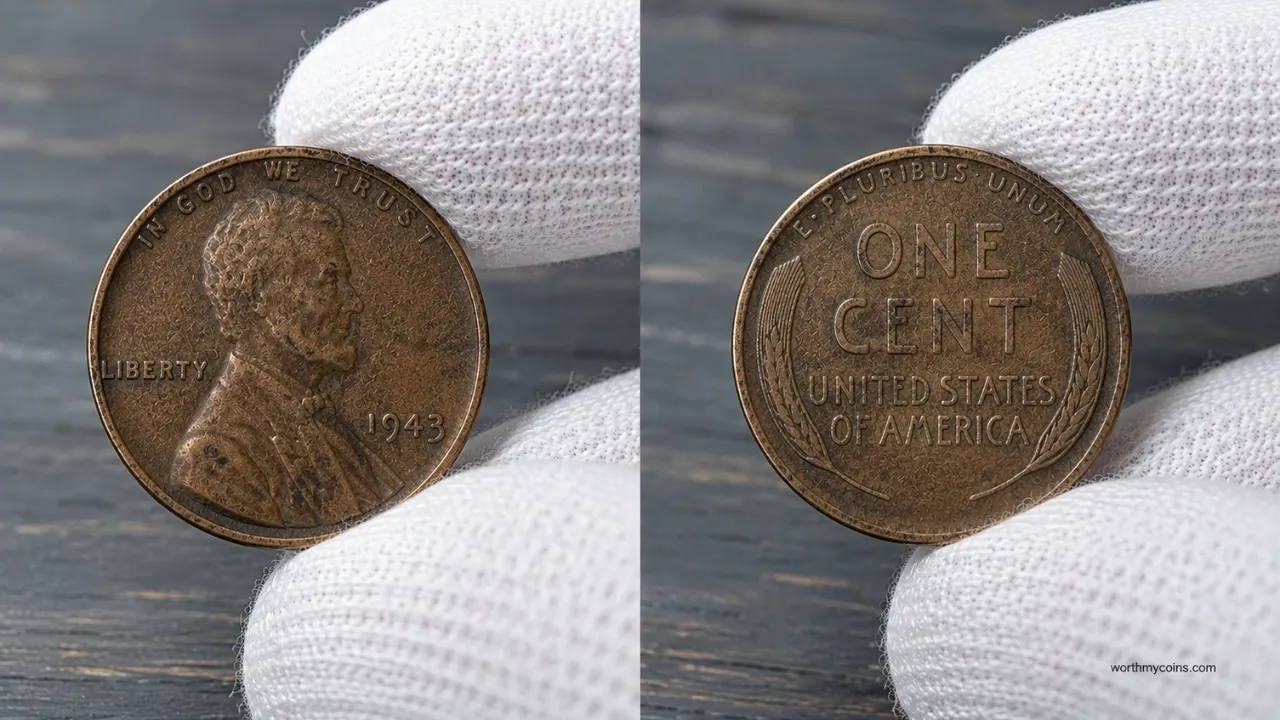
Many people assume an old, dirty penny has little or no value. In reality, some of the most important Lincoln Wheat Pennies discovered by collectors still carried decades of natural dirt, toning, or circulation grime when they were found. A coin’s appearance alone doesn’t determine its worth—its date, mint mark, rarity, condition, and authenticity matter far more.
If you’ve found a dirty Lincoln Wheat Penny in a jar, inherited collection, or pocket change, don’t rush to clean it. Some of the most valuable wheat cents ever sold at auction looked far from perfect before they were professionally evaluated.
Quick Answer
A dirty Lincoln Wheat Penny can still be valuable if it has a rare date, an important mint mark, a recognized mint error, or exceptional collector demand. Cleaning the coin before identifying it can permanently damage its original surfaces and reduce its appeal to collectors.
Readers who want to understand the entire Lincoln Wheat Cent series should also read our Lincoln Wheat Penny Value Guide (1909–1958): Prices, Errors & Rare Coins, where we explain the complete series, key dates, grading basics, and the factors that influence collector value.
Can a Dirty Penny Really Be Valuable?
Absolutely.
Professional collectors often care far more about originality than cleanliness.
A naturally toned or dirty coin may still have completely original surfaces, while a shiny cleaned coin may have lost much of its collector appeal.
Instead of judging a penny by its color, collectors examine:
| Factor | Why It Matters |
|---|---|
| Date | Some years are significantly rarer than others. |
| Mint Mark | Certain mints produced highly collectible issues. |
| Mint Errors | Genuine mint-made errors often attract strong demand. |
| Condition | Remaining design detail is more important than surface dirt. |
| Original Surfaces | Untouched coins are generally preferred over cleaned examples. |
| Certification | Professional grading confirms authenticity and condition. |
These characteristics—not dirt alone—determine whether a Lincoln Wheat Penny deserves closer examination and additional research.
Top 10 Valuable Dirty Lincoln Wheat Pennies
1. 1909-S VDB Lincoln Wheat Penny
The 1909-S VDB is one of the most famous key dates in American coin collecting.
Issued during the first year of the Lincoln cent series, it features designer Victor David Brenner’s initials on the reverse. Because relatively few were struck before the initials were removed, the coin quickly became one of the most sought-after Wheat Pennies.
Many genuine examples show decades of honest circulation, natural toning, and accumulated dirt. These characteristics do not automatically reduce collector interest, provided the surfaces remain original.
Readers interested in learning more should also read our 1909-S VDB Lincoln Wheat Penny Value Guide: Why This Rare Cent Is So Important to Collectors, where we explain its history, identification, grading, and long-term collector demand.
2. 1943 Bronze Lincoln Wheat Penny
The 1943 Bronze Lincoln Wheat Penny is one of the most legendary mint errors ever produced by the United States Mint.
During World War II, Lincoln cents were supposed to be struck on zinc-coated steel planchets to conserve copper for the war effort. A very small number of leftover bronze planchets were accidentally struck instead, creating one of the rarest and most valuable Lincoln cents ever discovered.
Because many examples spent years unnoticed, some appeared dirty or heavily toned before being authenticated.
Collectors should never attempt to clean a suspected 1943 Bronze Lincoln Wheat Penny because original surfaces are an important part of professional authentication and grading.
Readers interested in this famous rarity should also read our 1943 Bronze Lincoln Wheat Penny Value Guide: Identification, Rarity & Collector’s Guide, where we explain how to distinguish genuine bronze examples from common steel cents.
3. 1943-D Bronze Lincoln Wheat Penny
Among all Lincoln Wheat Pennies, few coins have achieved the legendary status of the 1943-D Bronze Lincoln Wheat Penny.
Only an extremely small number of genuine examples are known, making this Denver Mint error one of the greatest prizes in American numismatics.
Even though collectors often associate valuable coins with bright, shiny surfaces, a genuine 1943-D bronze cent may display natural oxidation, circulation wear, or dark toning after decades of storage.
Authentication by a respected grading service is essential because counterfeit examples and altered coins frequently appear in the marketplace.
Readers who want to explore this extraordinary rarity should also read our The 1943-D Bronze Lincoln Wheat Penny That Sold for $840,000: History, Rarity & Value Explained, where we examine the coin’s history and why certified examples have attracted remarkable auction attention.
4. 1955 Doubled Die Lincoln Penny
The 1955 Doubled Die Obverse Lincoln Penny remains one of the most recognizable error coins ever produced.
Its dramatic doubling is visible on the date, lettering, and inscriptions, making it one of the easiest major doubled dies for collectors to identify without specialized equipment.
Many circulated examples appear dark, worn, or dirty after decades in circulation, but these cosmetic characteristics do not eliminate their historical importance.
Collectors should avoid polishing or cleaning any suspected doubled die because doing so can permanently affect the coin’s original surfaces.
Readers interested in identifying this famous variety should also read our 1955 Doubled Die Lincoln Penny Value Guide: How to Identify This Famous Error Coin, where we explain the diagnostics collectors use to separate genuine examples from ordinary machine doubling.
5. 1914-D Lincoln Wheat Penny
The 1914-D Lincoln Wheat Penny is one of the classic key dates in the Wheat Cent series.
Although it is not as famous as the 1909-S VDB, collectors know it is one of the most difficult regular-issue Lincoln cents to acquire. Even well-worn examples remain highly desirable because relatively few were struck and many entered circulation.
If you find a dirty 1914-D penny, resist the urge to clean it. Original brown surfaces are often preferred over bright, polished ones.
6. 1922 No D Lincoln Wheat Penny
The 1922 No D is one of the most recognized mint-mark varieties in American coin collecting.
In 1922, Lincoln cents were struck only at the Denver Mint. Due to die problems, some coins were struck with little or no visible “D” mint mark, creating the famous No D variety that collectors actively seek today.
Because counterfeit and altered examples exist, professional authentication is recommended for any coin that appears to match this variety.
7. 1931-S Lincoln Wheat Penny
The 1931-S became a key date because of its relatively low mintage during the Great Depression.
Unlike many common Wheat Pennies from the 1940s and 1950s, this issue was saved in much smaller numbers. Nice original examples continue to attract steady collector demand.
A naturally dark or dirty surface does not automatically reduce its desirability if the coin has not been improperly cleaned.
8. 1944 Steel Lincoln Penny
The 1944 Steel Cent is another famous transitional error.
After steel cents were produced in 1943, the Mint returned to bronze planchets in 1944. However, a very small number of leftover steel blanks were accidentally struck with 1944 dies, creating one of the most valuable off-metal Lincoln cent errors.
Collectors should never attempt to polish or clean a suspected steel 1944 cent before having it authenticated.
Why Original Dirt Can Be a Good Sign
Many beginners assume dirt automatically means damage.
Experienced collectors often think differently.
Natural dirt, oxidation, and toning usually indicate that a coin has remained untouched for decades. In contrast, harsh cleaning can permanently remove the original surface that collectors value most.
Professional grading services generally evaluate several characteristics, including:
| Feature | Why It Matters |
|---|---|
| Original surfaces | Untouched coins are preferred. |
| Natural color | Brown and Red-Brown copper can still be highly collectible. |
| Wear | Honest circulation wear is acceptable on key dates. |
| Damage | Scratches, corrosion, or harsh cleaning reduce appeal. |
| Eye appeal | Attractive original coins often command stronger demand. |
For copper coins, originality is frequently more important than brightness. A naturally toned Brown (BN) or Red-Brown (RB) coin can be highly collectible if its surfaces remain original.
Original surfaces are often easier to evaluate before any cleaning has taken place. Once a coin has been improperly cleaned or polished, those original surface characteristics cannot be restored, which is why experienced collectors usually recommend leaving older copper coins untouched until they have been properly identified.
9. 1958 Doubled Die Obverse Penny
Although produced near the end of the Wheat Penny series, the 1958 Doubled Die Obverse remains one of the rarest doubled-die Lincoln cents.
Very few genuine examples are known, making authenticated specimens extremely desirable among advanced collectors. Because of its rarity, many altered or misidentified coins have appeared over the years, making third-party authentication especially important.
10. 1909-S Lincoln Wheat Penny (No VDB)
Often overshadowed by the famous 1909-S VDB, the 1909-S without VDB is another important first-year issue.
After public criticism over the prominence of Victor David Brenner’s initials, the Mint removed them, creating a separate collectible variety. The coin remains one of the recognized key dates in the Lincoln Wheat Cent series and continues to be highly sought after by collectors assembling complete date-and-mint collections.
Common Mistakes Collectors Make
Many valuable Wheat Pennies lose collector appeal because of avoidable mistakes.
Cleaning the Coin
The biggest mistake is trying to make a dirty penny look shiny.
Cleaning often leaves hairline scratches and permanently alters the original surfaces, reducing collector interest. Numismatic references consistently recommend leaving original surfaces untouched.
Assuming Dirt Means Damage
Natural dirt, toning, and oxidation are normal on older copper coins and do not automatically indicate damage.
A dirty key-date penny can still be significantly more desirable than a cleaned common-date coin.
Ignoring the Mint Mark
Many valuable Wheat Pennies are identified by both the date and the mint mark. Always check carefully before assuming a coin is common.
Trusting Viral Price Claims
Social media often exaggerates the value of ordinary Wheat Pennies. Real market values depend on authenticity, grade, rarity, certification, eye appeal, and documented auction results—not viral headlines.
Frequently Asked Questions
Can a dirty Lincoln Wheat Penny still be valuable?
Yes. Dirt alone does not determine a coin’s value. Many valuable Lincoln Wheat Pennies have natural toning, oxidation, or decades of accumulated circulation grime. Collectors are generally more interested in the coin’s date, mint mark, rarity, originality, and condition than whether it appears bright or shiny.
Should I clean an old Wheat Penny before selling it?
No.
Cleaning is one of the most common mistakes collectors make. It can permanently alter the coin’s original surfaces, create fine scratches, and reduce collector appeal. Even if a coin appears dirty, leaving it untouched is usually the safest approach. (PCGS CoinFacts)
How do I know if my dirty penny is worth keeping?
Start by checking:
- The date
- The mint mark
- Whether it matches a known key date
- Any recognized mint errors
- Overall remaining detail
- Signs of harsh cleaning or damage
If your coin appears to be a better date or unusual variety, professional authentication may be worthwhile.
Which Lincoln Wheat Pennies are the most famous?
Some of the best-known collectible Wheat Pennies include:
- 1909-S VDB
- 1914-D
- 1922 No D
- 1931-S
- 1943 Bronze
- 1944 Steel
- 1955 Doubled Die Obverse
These coins are widely recognized because of their rarity, historical importance, or famous mint errors.
Does a darker coin automatically mean it’s damaged?
No.
Copper naturally darkens over time through oxidation. Many original Brown (BN) and Red-Brown (RB) Lincoln Wheat Pennies are highly collectible. Collectors generally prefer natural aging over coins that have been artificially brightened through cleaning.
Should I have my Wheat Penny professionally graded?
Professional grading is often worth considering if your coin appears to be:
- A recognized key date
- A famous mint error
- An important doubled die
- An off-metal strike
- An unusually well-preserved example
Certification from respected grading services such as PCGS or NGC helps confirm authenticity, document the coin’s grade, and gives buyers greater confidence when evaluating significant pieces.
Tips Before You Buy or Sell
Whether you’re evaluating a coin from pocket change or an inherited collection, follow these best practices:
- Never clean the coin.
- Check the date and mint mark carefully.
- Compare your coin with verified reference images.
- Review recent documented auction results rather than asking prices because completed sales provide a more reliable picture of current collector demand.
- Consider professional authentication for rare dates or suspected mint errors.
- Store collectible coins in protective holders to preserve their original surfaces.
Collectors who enjoy learning about rare U.S. cents should also read our Lincoln Wheat Penny Value Guide (1909–1958): Prices, Errors & Rare Coins, which provides a complete overview of the series, key dates, grading standards, and the factors that influence collector demand.
Conclusion
A dirty Lincoln Wheat Penny should never be dismissed simply because it lacks a bright appearance. In fact, many of the most valuable Wheat Pennies ever authenticated spent decades in circulation or storage with natural dirt, toning, and oxidation still intact.
The real indicators of value are the coin’s date, mint mark, rarity, originality, condition, and authenticity. By learning to recognize key dates, famous mint errors, and original surfaces—and by resisting the temptation to clean old coins—you’ll greatly improve your chances of identifying a genuinely collectible Lincoln Wheat Penny.
Whether you’re sorting through an old coin jar or building a long-term collection, taking a careful, evidence-based approach is the best way to determine whether your dirty Wheat Penny deserves closer attention.
References
This guide is based on information from trusted numismatic organizations and research sources, including:
- United States Mint
- Professional Coin Grading Service (PCGS) CoinFacts
- Numismatic Guaranty Company (NGC) Coin Explorer
- American Numismatic Association (ANA)
- Heritage Auctions
- Stack’s Bowers Galleries
- Newman Numismatic Portal
- APMEX Learning Center (Lincoln Wheat Cent Key Dates & Varieties)

Narayan Kumar is the Founder and Author of Worth My Coins. She specializes in U.S. coin collecting, with a focus on coin identification, mint errors, grading, rare varieties, and collector education. Her goal is to publish accurate, well-researched, and easy-to-understand guides that help both new and experienced collectors make informed decisions. Every article is created using trusted numismatic references and is written with a commitment to accuracy, transparency, and long-term educational value.