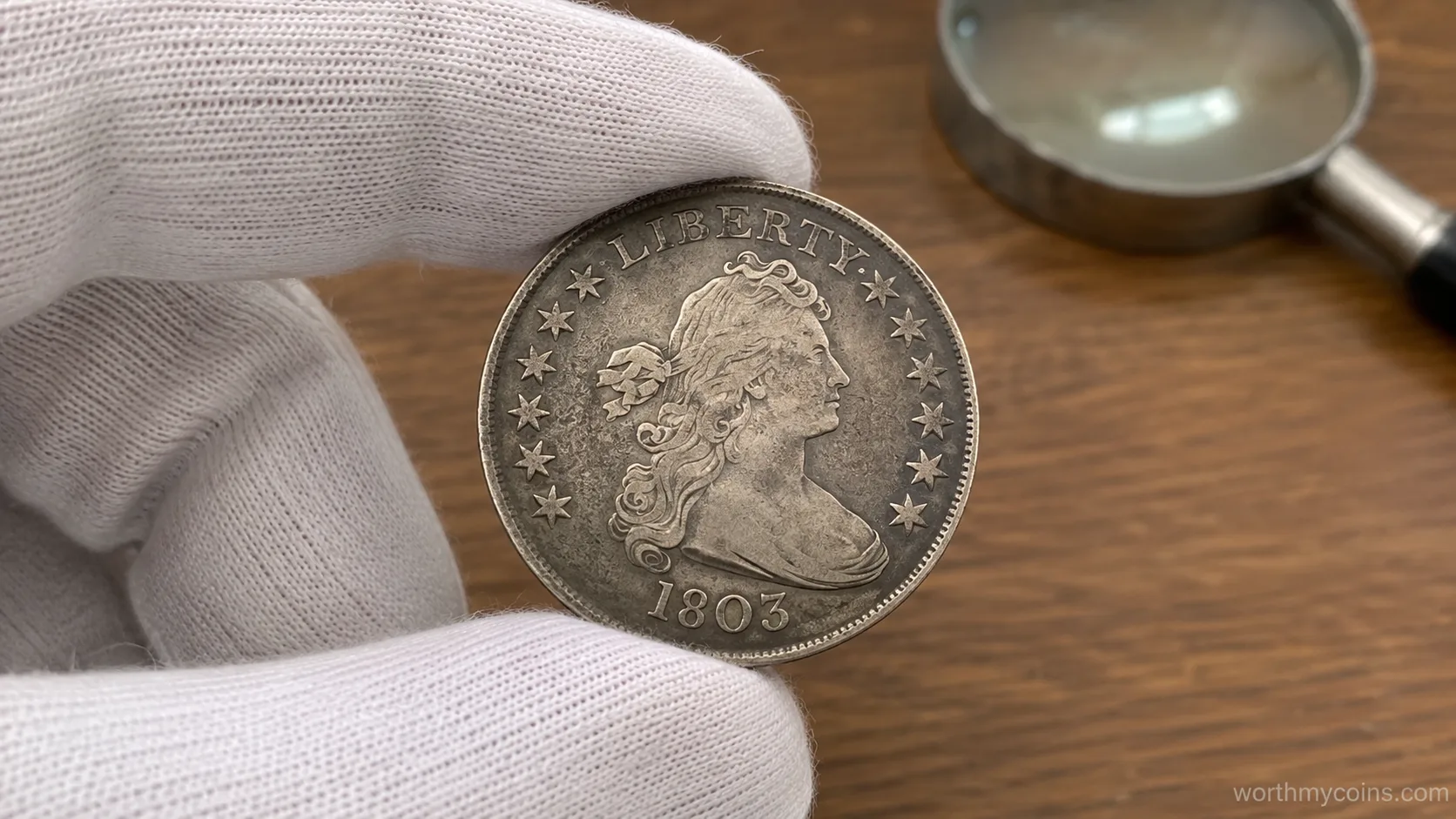
The Barber Quarter series is one of the most collected classic U.S. coin series, combining historic significance, attractive designs, and several genuinely scarce issues that continue to challenge collectors more than a century after they were struck. While many Barber Quarters remain affordable in lower circulated grades, certain key dates, semi-key issues, and condition rarities command significant collector premiums because of limited surviving populations, extensive circulation, or exceptional scarcity in Mint State.Understanding which dates matter—and why—can help collectors build a smarter collection while avoiding costly mistakes.
Quick Answer
Several Barber Quarter issues are considered essential for collectors because of their recognized scarcity, limited surviving populations, and long-standing demand within the numismatic market. Among the most notable are the 1896-S, 1901-S, 1913-S, 1892-O Micro O, and 1897-O. Although some Barber Quarters are relatively common in circulated condition, key dates become dramatically more valuable in Mint State grades because surviving high-quality examples are limited. Actual market value depends on factors such as:
| Factor | Why It Matters |
|---|---|
| Date | Some years had significantly lower surviving populations. |
| Mint mark | Certain branch mints produced much scarcer coins. |
| Grade | Higher grades often increase value substantially. |
| Original surfaces | Natural, unaltered coins generally attract stronger collector demand. |
| Certification | Third-party grading by respected services improves confidence and marketability. |
| Eye appeal | Attractive toning and strong strikes can increase desirability. |
A Brief History of the Barber Quarter
The Barber Quarter was introduced in 1892 as part of a redesign of America’s circulating silver coinage. The series replaced the Seated Liberty Quarter and remained in production until 1916, when the Standing Liberty Quarter debuted.
Collectors interested in the quarter series that succeeded the Barber design can continue with Standing Liberty Quarter Key Dates: The Rare Issues Collectors Want Most, which explains the important dates, recognized rarities, and collecting challenges of the series that replaced the Barber Quarter.
The coin was designed by Chief Engraver Charles E. Barber, whose Liberty portrait also appeared on the Barber Dime and Barber Half Dollar. While the design received mixed reviews from some contemporary artists, it has become an enduring favorite among collectors because of its historical importance and collecting challenges.
The obverse features Liberty wearing a Phrygian cap and laurel wreath, surrounded by thirteen stars. The reverse displays a heraldic eagle holding arrows and an olive branch beneath the national motto.
Barber Quarters were struck at several U.S. Mint facilities:
| Mint | Mint Mark |
|---|---|
| Philadelphia | No mint mark |
| New Orleans | O |
| San Francisco | S |
| Denver (from 1906) | D |
Mint marks appear on the reverse beneath the eagle.
What Makes Certain Barber Quarters So Valuable?
Not every Barber Quarter is rare. Millions were produced throughout the series, but several factors separate ordinary examples from genuinely desirable collector coins.
Low Original Mintages
Some dates simply had limited production. Lower mintages often translate into fewer surviving coins today, although mintage alone never tells the entire story.
Heavy Circulation
Many Barber Quarters remained in commerce for decades. Even coins with respectable mintages often survive only in heavily worn grades because few collectors saved them when new.
Scarcity in Mint State
Some Barber Quarter dates remain obtainable in circulated grades but become genuinely scarce in Mint State because comparatively few examples were preserved before entering circulation.
Collector Demand
The Barber Quarter series enjoys strong demand among both type collectors and date-and-mint collectors. Established key dates consistently attract strong interest whenever certified, problem-free examples become available through dealers or public auctions.
Understanding Key Dates, Semi-Key Dates, and Conditional Rarities
Collectors often use three different terms when discussing Barber Quarters.
Key Dates
These are the most difficult regular-issue coins to obtain and usually represent the biggest challenge in completing a collection.
Examples include:
- 1896-S
- 1901-S
- 1913-S
Semi-Key Dates
Semi-key coins are scarcer than average but generally more obtainable than the primary key dates.
Examples include:
- 1897-O
- 1897-S
- 1909-O
- 1914-D
Conditional Rarities
Some Barber Quarters become exceptionally scarce only in high Mint State grades. A date that is fairly common in Very Fine condition may become genuinely rare in MS65 or better because few examples survived without circulation wear.
This distinction is especially important when evaluating auction results or price guides.
Top Barber Quarter Key Dates Every Collector Should Know
1. 1901-S Barber Quarter
The 1901-S is widely recognized as the undisputed key date of the Barber Quarter series.
With one of the lowest mintages of any regular-issue Barber Quarter, relatively few entered circulation, and even fewer survived over the following century. Most known examples exhibit moderate to heavy wear, making attractive collector-grade specimens highly desirable.
Uncirculated examples are among the most challenging classic U.S. silver quarters to acquire and frequently attract intense competition whenever certified pieces become available.
Identification
- Date: 1901
- Mint mark: S
- Reverse mint mark below the eagle
- Composition: 90% silver, 10% copper
Why Collectors Pursue It
- Widely recognized series key
- Extremely limited surviving population
- Rare in all grades
- Especially scarce in Mint State
2. 1896-S Barber Quarter
The 1896-S is another major rarity that ranks among the most difficult Barber Quarters for collectors.
Although not as elusive as the famous 1901-S, the 1896-S remains a cornerstone of any complete Barber Quarter collection. Most surviving examples circulated extensively before collectors recognized their scarcity.
Because original, problem-free examples are limited, certified coins typically receive strong attention from advanced collectors.
Identification
- Date: 1896
- Mint mark: S
- Mint mark located beneath the eagle
Why It Is Important
- Major key date
- Limited surviving population
- Strong collector demand
- Difficult in every grade
3. 1913-S Barber Quarter
The final San Francisco key date represents one of the most desirable coins from the closing years of the Barber series.
Many surviving examples display noticeable circulation wear, reflecting extensive use before collectors began preserving them. Higher-grade examples are significantly scarcer and often command substantial premiums compared with circulated pieces.
Identification
- Date: 1913
- Mint mark: S
Collector Interest
- Final major San Francisco rarity
- Scarce across all grades
- Particularly challenging above About Uncirculated
4. 1892-O Micro O Variety
Among recognized Barber Quarter varieties, the 1892-O Micro O receives considerable attention.
This variety features a noticeably smaller “O” mint mark than the standard New Orleans issue. Specialists actively seek this variety because of its distinct mint mark and its importance within the first year of the series.
Collectors should compare suspected examples with authenticated reference photographs before attributing the variety.
Identification Tips
- Smaller-than-normal O mint mark
- Reverse mint mark beneath the eagle
- Best confirmed using certified examples or specialized variety references
Why It Matters
- Popular recognized variety
- First-year issue
- Strong demand among Barber specialists
5. 1897-O Barber Quarter
The 1897-O has long been recognized as one of the better dates in the series.
Although examples can occasionally be found in lower circulated grades, attractive pieces with original surfaces become increasingly difficult as grades improve.
Collectors assembling complete date-and-mint collections frequently consider the 1897-O one of the more challenging New Orleans issues.
Identification
- Date: 1897
- Mint mark: O
Why Collectors Seek It
- Better New Orleans date
- Scarce in higher grades
- Popular with complete series collectors
6. 1897-S Barber Quarter
The San Francisco Mint produced several difficult Barber Quarter issues, and the 1897-S is another notable example.
Well-preserved coins are significantly less common than heavily circulated examples, making Mint State pieces especially desirable.
Collectors should also pay close attention to surface quality since original, undamaged examples are increasingly difficult to locate after more than a century.
Identification
- Date: 1897
- Mint mark: S
- Mint mark below eagle
Why It Is Popular
- Better San Francisco issue
- Scarcer in upper grades
- Consistent collector demand
How to Identify a Valuable Barber Quarter
Before assuming a Barber Quarter is valuable, examine several important characteristics.
Check the Date Carefully
Many valuable Barber Quarters differ by only a single year. Use adequate lighting and magnification to verify the date before researching value.
Locate the Mint Mark
Except for Philadelphia issues, Barber Quarters carry a mint mark beneath the eagle on the reverse. Because mint mark can dramatically influence rarity, identifying it correctly is essential.
Examine the Coin for Wear
A coin with sharp details, strong lettering, and minimal wear is generally more desirable than one with extensive circulation damage. However, rarity always plays an important role—some heavily worn key dates remain highly sought after simply because so few examples exist.
Look for Original Surfaces
Collectors generally place the greatest value on coins that retain original, unaltered surfaces without evidence of harsh cleaning or other impairments.Harsh cleaning, polishing, scratches, or other damage can significantly reduce collector appeal and market value, even on scarce dates.
How Grading Affects Barber Quarter Values
Condition is one of the biggest factors influencing the market value of any Barber Quarter. Two coins with the same date and mint mark can have dramatically different values simply because one has less wear or better eye appeal.
Professional grading services evaluate a coin’s preservation using the Sheldon 1–70 grading scale. While experienced collectors often estimate grades themselves, valuable Barber Quarters are typically authenticated and graded before being bought or sold.
Good (G-4)
Coins in Good condition show heavy circulation wear. Liberty’s portrait is mostly outlined, and many finer details have worn away. The date and major lettering should remain readable.
These examples are often the most affordable way for beginners to own scarce key dates.
Very Fine (VF-20)
A Very Fine Barber Quarter retains noticeably more detail. Portions of Liberty’s hair, wreath, and facial features remain visible, although moderate wear is still present across the highest points.
Many collectors consider Very Fine coins an excellent balance between affordability and eye appeal.
Extremely Fine (XF-40)
Extremely Fine examples display only light wear on the highest portions of the design. Most details remain sharp, making these coins attractive additions to advanced collections.
About Uncirculated (AU-50 to AU-58)
About Uncirculated Barber Quarters exhibit only slight friction from limited circulation. Much of the original mint luster may still be visible.
Because relatively few key dates survive at this level, collector demand increases significantly.
Mint State (MS-60 and Above)
Mint State coins show no evidence of circulation wear, although marks from handling during production and storage may still be present.
Higher Mint State grades—especially MS64, MS65, and finer—can be exceptionally rare for many Barber Quarter dates. Population reports from leading grading services demonstrate that surviving gem-quality examples are limited for several key issues.
Understanding Barber Quarter Values
There is no single price that applies to every Barber Quarter. Actual market value depends on several factors working together.
| Factor | Impact on Value |
|---|---|
| Date | Some years are considerably scarcer than others. |
| Mint mark | Certain branch mint issues are much more difficult to find. |
| Grade | Better preservation generally results in higher values. |
| Originality | Natural surfaces are typically preferred by collectors. |
| Certification | Authenticated coins often inspire greater buyer confidence. |
| Market demand | Prices fluctuate as collector demand changes over time. |
| Eye appeal | Attractive toning and strong strikes may increase desirability. |
Rather than relying on a single published value, collectors should compare recent sales of similarly graded, certified examples whenever possible.
Mint Marks Explained
Knowing where a Barber Quarter was struck is essential because mint mark often determines rarity.
| Mint | Mint Mark | Reverse Location |
|---|---|---|
| Philadelphia | None | No mint mark present |
| New Orleans | O | Beneath the eagle |
| San Francisco | S | Beneath the eagle |
| Denver | D | Beneath the eagle (1906–1916 only) |
Always inspect the mint mark carefully. Damage, corrosion, or excessive wear can make identification difficult.
Are Barber Quarter Errors Valuable?
The Barber Quarter series includes a number of recognized mint errors and die varieties, but they are generally much less common than the well-known key dates.
Collectors who want to learn more about mint-made varieties in later quarter series should also read Washington Quarter Error Guide: Rare Mint Errors Every Collector Should Know, which covers many of the best-known error types encountered on Washington Quarters.
Collectors occasionally encounter:
- Repunched mint marks (RPMs)
- Minor doubled dies
- Die cracks
- Clash marks
- Off-center strikes
- Broadstrikes
- Lamination errors
- Many advanced collectors also compare these varieties with those featured in Most Valuable Washington Quarter Errors Every Collector Should Know, which highlights some of the most desirable Washington Quarter errors recognized by specialists.
However, not every unusual-looking coin is a genuine mint error. Post-mint damage, environmental corrosion, cleaning, and accidental scratches are frequently mistaken for valuable varieties.
If a Barber Quarter appears to have a significant error, professional authentication is recommended before assigning additional value.
Tips for Identifying Authentic Barber Quarters
Counterfeit classic U.S. coins have become increasingly sophisticated, making careful examination more important than ever.
When evaluating a Barber Quarter, check for the following:
Compare the Design
Liberty’s portrait, lettering, stars, eagle, shield, and wreath should all match genuine examples. Soft or poorly defined details may indicate a counterfeit or cast copy.
Inspect the Edge
A genuine Barber Quarter has a reeded edge. Missing reeds, uneven spacing, or unusual edge seams deserve closer examination.
Verify Weight and Dimensions
Authentic Barber Quarters were struck to standard U.S. Mint specifications. A significant difference in weight or diameter may indicate a counterfeit or altered coin.
Examine the Surface
Artificial aging, porous surfaces, bubbling, or casting marks may signal a counterfeit. Genuine coins typically display natural metal flow lines and consistent wear patterns.
Buy Certified Examples
For expensive key dates such as the 1901-S or 1896-S, many collectors prefer examples authenticated by respected third-party grading services. Certification from a widely recognized third-party grading service provides additional confidence regarding both authenticity and assigned grade.
Common Mistakes New Collectors Make
Even experienced collectors occasionally make errors when purchasing classic silver coins. Beginners can avoid many expensive mistakes by keeping a few principles in mind.
Buying Without Checking the Mint Mark
Some Barber Quarter dates are common from one mint but much scarcer from another. Always verify the mint mark before estimating rarity.
Assuming Every Old Coin Is Rare
Age alone does not determine value. Many Barber Quarters remain relatively affordable, while only certain dates and conditions command significant premiums.
Ignoring Surface Problems
Cleaning, polishing, scratches, rim damage, corrosion, or other impairments can substantially reduce collector demand, even for scarce dates.
Misidentifying Damage as a Mint Error
Coins that have been damaged after leaving the Mint are often mistaken for valuable errors. Learning the difference between genuine mint-made errors and post-mint damage is essential.
Skipping Authentication
For expensive purchases, certification by a respected grading service helps confirm both authenticity and condition.
Buying and Selling Barber Quarters
Whether building a collection or selling inherited coins, taking a careful approach can make a significant difference.
For Buyers
- Learn the major key dates before making purchases.
- Compare certified examples whenever possible.
- Study grading standards to understand condition differences.
- Purchase from established coin dealers or reputable auction firms.
- Research recent auction results rather than relying solely on older price guides.
For Sellers
- Do not clean Barber Quarters before selling.
- Organize coins by date and mint mark.
- Consider professional grading for potentially valuable examples.
- Compare multiple offers before accepting a sale.
- Keep documentation for certified coins whenever available.
Frequently Asked Questions
What is the rarest Barber Quarter?
Most collectors consider the 1901-S Barber Quarter the key date of the regular-issue series due to its extremely limited availability and strong collector demand.
Where is the mint mark on a Barber Quarter?
The mint mark appears on the reverse beneath the eagle. Philadelphia issues have no mint mark.
Are all Barber Quarters made of silver?
Yes. Regular-issue Barber Quarters were struck from an alloy containing 90% silver and 10% copper.
Are Barber Quarters still found in circulation?
Finding one in everyday circulation is extremely unlikely today. Most surviving examples reside in private collections, dealer inventories, or estates.
Should I clean a Barber Quarter before selling it?
No. Cleaning can permanently alter a coin’s surfaces and often reduces its desirability to collectors.
Are worn Barber Quarters worth collecting?
Absolutely. Even well-circulated examples can be historically significant, and several key dates remain highly desirable despite heavy wear.
Conclusion
The Barber Quarter series offers collectors a rewarding combination of American history, classic design, and genuine numismatic challenges. While many dates are accessible to beginners, key issues such as the 1901-S, 1896-S, and 1913-S remain essential milestones for anyone pursuing a complete collection.
Understanding mint marks, grading, originality, and authenticated rarity is far more important than focusing on a single published price. Collectors who continue exploring classic and modern U.S. quarters may also find Top 10 Rare Washington Quarters Worth Big Money That Could Surprise Collectors helpful for comparing another historically important quarter series with several highly sought-after key dates.Because market values vary according to condition, certification, eye appeal, and collector demand, careful research is always the best approach before buying or selling.
Whether you are beginning your first Barber Quarter collection or evaluating inherited coins, learning to identify the series’ important dates and characteristics will help you make informed decisions and better appreciate one of the most enduring silver quarter series in U.S. numismatic history.After becoming familiar with Barber Quarters, many collectors expand into later quarter issues through Top 25 Modern Quarters Worth Money: Rare Coins Every Collector Should Know, which showcases valuable modern quarters that remain popular with today’s collectors.
References
The information in this article is supported by established numismatic organizations and research resources, including:
- United States Mint
- Professional Coin Grading Service (PCGS)
- Numismatic Guaranty Company (NGC)
- American Numismatic Association (ANA)
- Heritage Auctions Auction Archives
- Stack’s Bowers Galleries Auction Archives
- Newman Numismatic Portal

Narayan Kumar is the Founder and Author of Worth My Coins. She specializes in U.S. coin collecting, with a focus on coin identification, mint errors, grading, rare varieties, and collector education. Her goal is to publish accurate, well-researched, and easy-to-understand guides that help both new and experienced collectors make informed decisions. Every article is created using trusted numismatic references and is written with a commitment to accuracy, transparency, and long-term educational value.