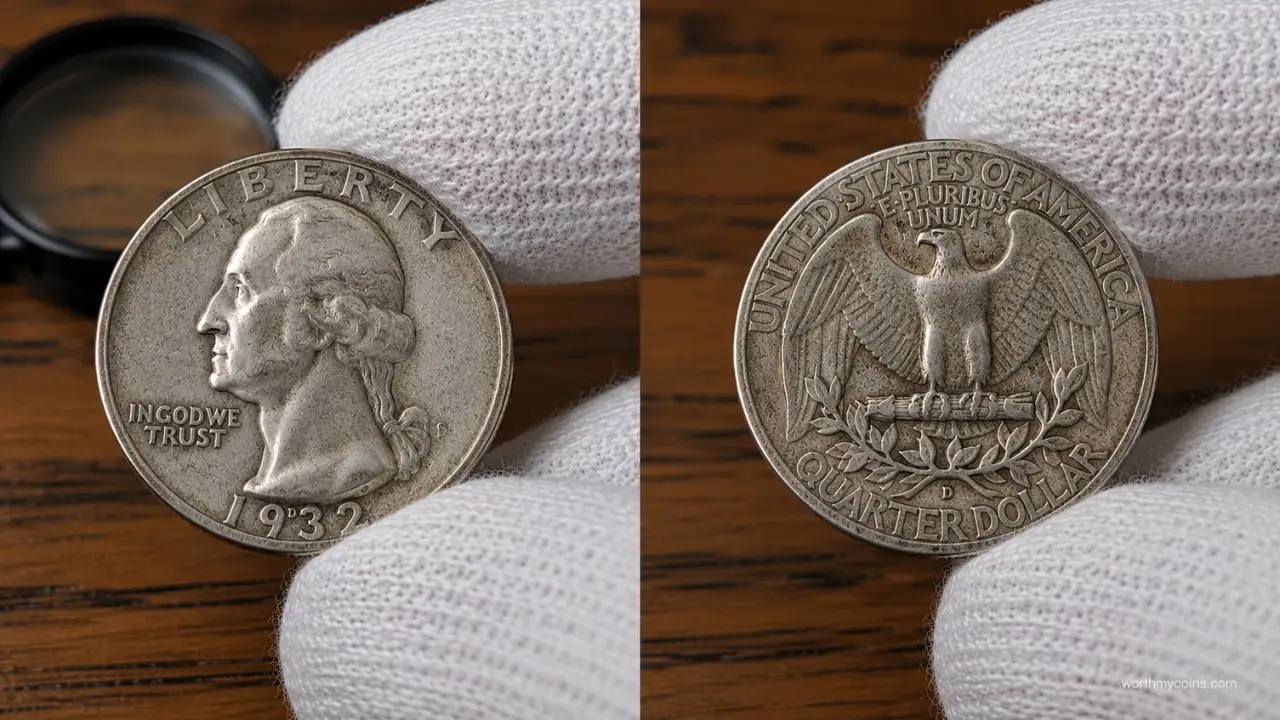
Washington quarters have been a staple of American pocket change since 1932, but not every quarter is created equal. While most are worth only their face value, a small number have become highly collectible because of their rarity, mint errors, low survival rates, or exceptional condition. Knowing what separates an ordinary quarter from a desirable one can save collectors from overlooking an important coin.
Whether you’re searching through circulation, inherited a coin collection, or simply want to learn more about valuable U.S. quarters, this guide highlights ten Washington quarters that have earned lasting attention from collectors. Rather than focusing on unrealistic internet claims, we’ll explain why these coins are genuinely significant and what characteristics make them stand out.
Quick Answer
Some Washington quarters are worth substantially more than face value because they feature key dates, recognized mint errors, scarce varieties, silver composition, or outstanding preservation. The most desirable examples are typically authenticated, professionally graded, and supported by documented collector demand rather than speculation.
Readers who want to explore additional collectible modern quarters should also read our Top 25 Modern Quarters Worth Money: Rare Coins Every Collector Should Know, where we cover many more notable issues and explain what makes them attractive to today’s collectors.
What Makes a Washington Quarter Valuable?
Although rarity is important, collector demand also plays a significant role. Some quarters remain highly sought after because they are essential for completing a date-and-mint collection, while others are popular because of recognized die varieties or historically significant issues. Understanding both rarity and demand provides a more complete picture of why certain Washington Quarters receive greater attention from collectors.
Before looking at individual coins, it’s helpful to understand what collectors actually evaluate.
A Washington Quarter rarely becomes valuable for just one reason. Instead, collectors evaluate several factors together before estimating its desirability.
| Factor | Why It Matters |
|---|---|
| Date | Certain years are much scarcer than others. |
| Mint Mark | Some mints produced fewer collectible examples. |
| Mint Error | Verified mint-made errors often increase collector interest. |
| Grade | Better-preserved coins are generally more desirable. |
| Certification | Professional authentication improves buyer confidence. |
| Collector Demand | Popular key dates remain highly sought after. |
A coin that combines several of these characteristics generally attracts stronger collector interest than an ordinary circulation example.
Top 10 Rare Washington Quarters Worth Big Money
1. 1932-D Washington Quarter
The 1932-D is widely recognized as one of the key dates of the entire Washington Quarter series.
Issued during the first year of the Washington Quarter series, it had a relatively low mintage compared with many later issues. Because many entered circulation, well-preserved examples are considerably harder to locate today.
Collectors assembling complete Washington Quarter sets almost always place the 1932-D near the top of their want lists.
2. 1932-S Washington Quarter
The 1932-S shares much of its importance with the Denver issue.
Although it was struck at the San Francisco Mint, surviving high-grade examples remain difficult to locate. Together, the 1932-D and 1932-S form the two classic key dates that every serious Washington Quarter collector eventually searches for.
Why Key Dates Matter
Key dates play an important role in every major U.S. coin series.
Unlike common issues that remain readily available, key dates often combine lower mintages with decades of collector demand. As more collectors attempt to complete a series, these coins naturally become some of the hardest to acquire.
Understanding key dates is one of the best ways for beginners to learn how rarity influences long-term collector interest.
3. 1937 Doubled Die Obverse Washington Quarter
Some Washington quarters are desirable because of recognized die varieties rather than low mintages alone.
The 1937 Doubled Die Obverse is one example that specialists continue to study. Genuine doubled dies display characteristics created during die production rather than damage that occurred after the coin entered circulation.
Because many forms of mechanical doubling and post-mint damage can appear similar, authentication is recommended before assuming a coin is a true doubled die variety.
Readers interested in learning how genuine mint errors differ from ordinary damage should also read our Washington Quarter Error Guide: Rare Mint Errors Every Collector Should Know, where we explain the most important error types collectors encounter.
4. 1950-D/S Overmintmark Quarter
The 1950-D/S overmintmark is one of the better-known Washington Quarter varieties.
An overmintmark occurs when one mint mark is punched over another during die preparation. These varieties are recognized by specialists because they originated during the minting process rather than through later alterations.
Proper identification often requires magnification, comparison with documented reference examples, and, for higher-value coins, professional authentication.
5. 1976 Bicentennial Quarter (Certified High Grades and Genuine Errors)
The 1976 Bicentennial Quarter is among the most recognizable modern U.S. coins.
While ordinary circulated examples remain common, certified high-grade coins, genuine mint errors, and 40% silver collector issues receive significantly greater attention from collectors.
Its distinctive Colonial drummer reverse and dual date make it one of the most collected Washington Quarters ever produced.
Readers interested in this historic commemorative issue should also read our 1976 Bicentennial Quarter Value: Rare Errors, Mint Marks & Prices in 2026, where we explain the different mint marks, silver issues, grading considerations, and genuine mint errors in much greater detail.
In the next section, we’ll continue with the remaining five Washington quarters on the list, explain how condition affects collector demand, discuss valuable mint errors, and share the most common mistakes beginners make when evaluating older quarters.
6. 1983-P Washington Quarter
The 1983-P Washington Quarter is a favorite among modern coin collectors.
Unlike many earlier quarters, relatively few examples were intentionally saved in high-grade condition when they were released. As a result, finding sharply preserved Mint State coins can be much more challenging than many beginners expect.
Most circulated examples remain common, but certified high-grade coins have become increasingly desirable because of their limited availability in pristine condition.
7. 1983-D Washington Quarter
The 1983-D shares a similar story with its Philadelphia counterpart.
Although millions were struck, most entered circulation immediately, leaving relatively few untouched examples for collectors. This makes certified Mint State coins especially attractive to collectors attempting to build high-quality Washington Quarter sets.
Rather than focusing only on mintage numbers, experienced collectors also consider survival rates and the number of high-grade certified examples available today.
8. 2004-D Wisconsin Extra Leaf Quarter
Although technically part of the State Quarters Program, the 2004-D Wisconsin Extra Leaf Quarter has become one of the most famous modern Washington Quarter varieties.
The variety is recognized by an additional leaf appearing on the corn stalk design. Specialists identify both the Extra Leaf High and Extra Leaf Low varieties.
Because altered coins and counterfeit varieties exist, collectors generally place greater confidence in authenticated examples certified by respected grading services.
Why Error Coins Attract Collectors
Not every unusual-looking coin is a genuine mint error.
Collectors distinguish between:
- Mint-made errors
- Die varieties
- Post-mint damage
- Environmental damage
- Altered coins
Understanding these distinctions helps beginners avoid paying premiums for coins that were damaged after leaving the Mint rather than created during the minting process.
Readers interested in understanding the most desirable quarter errors should also read our Most Valuable Washington Quarter Errors Every Collector Should Know, where we explain the major error types recognized by collectors.
9. 2005 Kansas “In God We Rust” Quarter
Another widely recognized modern variety is the 2005-P Kansas Quarter with the famous “In God We Rust” error.
This variety resulted from grease filling part of the die, preventing the complete design from transferring to the coin. Instead of reading “IN GOD WE TRUST,” some coins appear to say “IN GOD WE RUST.”
Because the missing letter occurred during striking rather than after circulation, authenticated examples continue to attract collector interest.
10. 2019-W Washington Quarter
The 2019-W Washington Quarter represents one of the most unusual modern issues in the series.
For the first time, the U.S. Mint released circulating quarters bearing the West Point (“W”) mint mark in limited quantities. Rather than being sold directly to collectors, these coins entered circulation through Federal Reserve distribution, creating excitement among people searching everyday pocket change.
Today, many collectors continue checking circulation for these distinctive quarters because of their limited production and historical significance.
How Condition Can Change Everything
Two quarters with the same date and mint mark can have dramatically different collector appeal simply because of condition.
Professional grading evaluates several characteristics that influence a coin’s overall collector appeal:
| Grading Factor | Why It Matters |
|---|---|
| Wear | Less wear generally increases desirability. |
| Strike Quality | Sharper details are preferred. |
| Surface Preservation | Fewer contact marks improve eye appeal. |
| Original Luster | Mint luster is highly desirable on uncirculated coins. |
| Eye Appeal | Attractive, original coins often command stronger collector demand. |
Many modern Washington Quarters become especially valuable only when they survive in exceptionally high Mint State grades.
Common Mistakes Collectors Make
Even experienced collectors occasionally make mistakes when evaluating Washington Quarters.
Some of the most common include:
- Assuming every old quarter is rare.
- Cleaning coins before having them examined.
- Confusing circulation damage with genuine mint errors.
- Relying on asking prices instead of documented auction results.
- Ignoring the importance of professional authentication for valuable varieties.
In the final section, we’ll answer the most common questions about rare Washington Quarters, provide buying and selling tips, include trusted numismatic references, and summarize the key characteristics collectors should always examine before deciding whether a quarter deserves closer attention.
Frequently Asked Questions
Are all old Washington Quarters valuable?
No. Age alone does not determine a quarter’s value. Many older Washington Quarters remain common because they were produced in large numbers. Collectors typically look for key dates, recognized varieties, genuine mint errors, silver composition (for pre-1965 issues), exceptional preservation, and professional certification.
Which Washington Quarter is considered the key date?
The 1932-D and 1932-S are widely recognized as the two classic key dates of the regular Washington Quarter series because of their relatively low mintages and long-standing collector demand. These coins are often among the most challenging to acquire for collectors building complete date-and-mint collections. (PCGS CoinFacts)
Are Bicentennial Quarters rare?
Most circulated 1976 Bicentennial Quarters are common. However, certified high-grade examples, genuine mint errors, and 40% silver San Francisco collector issues are much more desirable than ordinary circulation strikes.
Should I clean a rare Washington Quarter?
No.
Cleaning can permanently damage a coin’s original surfaces and reduce its appeal to collectors. Even lightly cleaned coins may receive lower grades or be worth less than comparable coins with untouched surfaces.
What is the best way to identify a valuable Washington Quarter?
Start by checking:
- Date
- Mint mark
- Overall condition
- Possible mint errors
- Silver composition (if applicable)
- Certification status
Comparing your coin with reliable numismatic references is far more accurate than relying on viral social media posts or unrealistic online listings.
Should I have my Washington Quarter professionally graded?
Professional grading may be worthwhile if your coin appears to be:
- A recognized key date
- A genuine mint error
- An important die variety
- A high-grade uncirculated example
- A coin with significant collector demand
Certification from a respected grading service helps confirm authenticity and provides an independent assessment of a coin’s condition, making it easier for buyers and sellers to evaluate significant pieces.
Tips for Buying and Selling Rare Washington Quarters
Before buying or selling an important Washington Quarter, compare the coin with certified examples from trusted grading services and review recent auction records rather than relying on asking prices. Auction results often provide a more realistic picture of current collector demand than online listings alone.
Whether you’re purchasing or selling, a careful approach can help you make better decisions.
Keep these best practices in mind:
- Buy certified key dates whenever possible.
- Compare recent auction results instead of asking prices.
- Purchase from reputable coin dealers or major auction houses.
- Avoid cleaned or damaged examples unless fully disclosed.
- Store collectible quarters in protective holders to preserve their condition.
Collectors who are beginning a broader U.S. coin collection may also enjoy reading our Lincoln Wheat Penny Value Guide (1909–1958), which explains many of the same grading, rarity, and authentication principles that apply across different coin series.
Conclusion
Washington Quarters offer something for every collector, from historic Depression-era key dates to modern varieties that still occasionally appear in circulation. While most quarters are worth only face value, a small number stand apart because of their rarity, mint errors, condition, or historical significance.
Rather than assuming every old quarter is valuable, take time to examine the date, mint mark, overall preservation, and any unusual characteristics. Understanding these fundamentals will help you recognize coins that deserve closer attention and avoid many of the common mistakes new collectors make.
Whether you’re searching pocket change or building a long-term collection, understanding how collectors evaluate Washington Quarters can help you recognize genuinely collectible examples and make more informed collecting decisions.
References
The information in this guide is based on recognized numismatic references and industry resources, including:
- Newman Numismatic Portal
- United States Mint
- Professional Coin Grading Service (PCGS) CoinFacts
- Numismatic Guaranty Company (NGC) Coin Explorer
- American Numismatic Association (ANA)
- Heritage Auctions
- Stack’s Bowers Galleries

Narayan Kumar is the Founder and Author of Worth My Coins. She specializes in U.S. coin collecting, with a focus on coin identification, mint errors, grading, rare varieties, and collector education. Her goal is to publish accurate, well-researched, and easy-to-understand guides that help both new and experienced collectors make informed decisions. Every article is created using trusted numismatic references and is written with a commitment to accuracy, transparency, and long-term educational value.