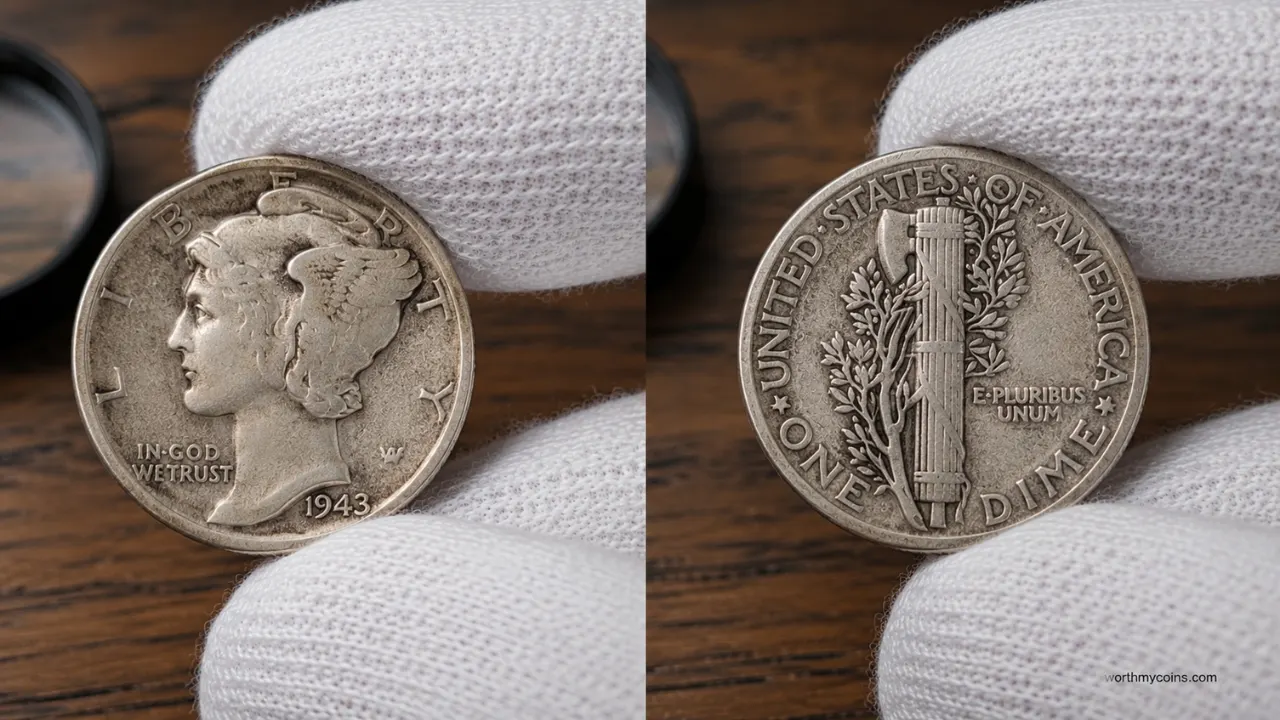
Mercury Dimes have long been favorites among U.S. coin collectors. Designed by Adolph A. Weinman and struck from 1916 through 1945, the series combines artistic beauty with several genuinely scarce dates, famous mint errors, and highly collectible key issues. While many Mercury Dimes are common silver coins, a handful stand out because of their rarity, historical significance, or exceptional demand among collectors.
If you’ve inherited a collection, searched through old silver coins, or are building a Mercury Dime set, knowing which dates deserve special attention can save time and help you identify coins worth further research. This guide covers 15 of the most valuable Mercury Dimes that every collector should know about.
Quick Answer
The most valuable Mercury Dimes are typically key dates, low-mintage issues, recognized mint-error varieties, or exceptionally well-preserved certified examples. Among them, the legendary 1916-D Mercury Dime remains the undisputed key date of the entire series, while famous overdate varieties and Full Bands examples are also highly sought after.
Readers who want a complete overview of the series should also read our Mercury Dime Value Guide: The Rare Coins Every Collector Wants to Find, where we explain the history of the series, grading basics, mint marks, and the factors that influence collector demand.
What Makes a Mercury Dime Valuable?
Not every old Mercury Dime is rare.
Collectors evaluate several characteristics before deciding whether a coin deserves a premium.
| Value Factor | Why It Matters |
|---|---|
| Date | Some years were struck in much smaller numbers. |
| Mint Mark | Denver and San Francisco issues are often scarcer than Philadelphia coins. |
| Variety | Certain die varieties, including overdates, are highly collectible. |
| Condition | Better-preserved coins are generally more desirable. |
| Full Bands Designation | Sharply struck reverse bands can significantly increase collector interest. |
| Certification | Authenticated coins inspire greater buyer confidence. |
Understanding these factors helps explain why two Mercury Dimes with the same date may have dramatically different market values.
1. 1916-D Mercury Dime
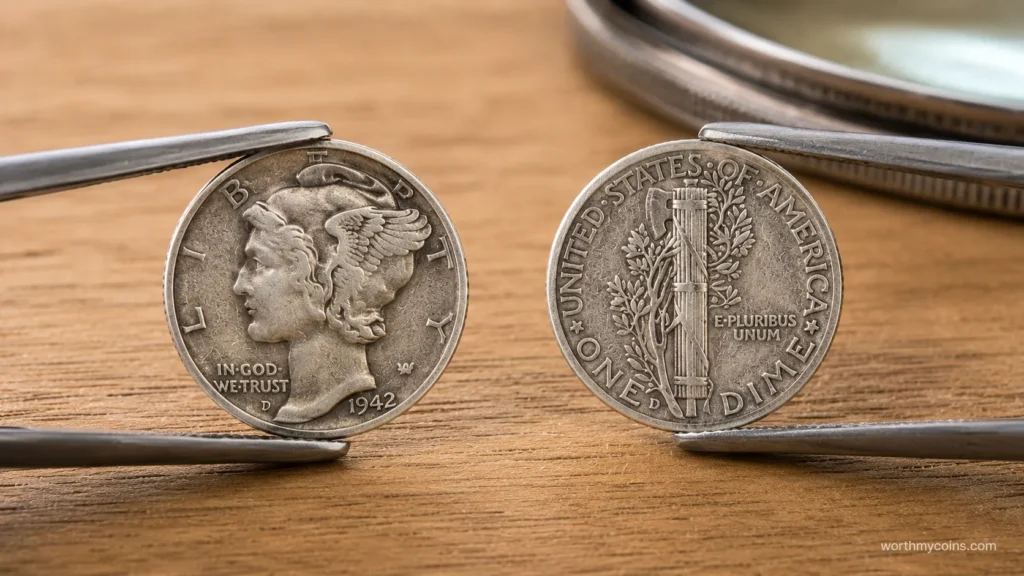
No list would be complete without the famous 1916-D.
With an official mintage of only 264,000 coins, it is the lowest regular-issue mintage of the entire Mercury Dime series. Because so few were struck, collectors have considered it the key date for more than a century.
Unfortunately, it is also one of the most frequently counterfeited U.S. coins. Altered Philadelphia coins with added “D” mint marks occasionally appear in the marketplace, making professional authentication especially important.
Readers who want detailed identification tips should also read our 1916-D Mercury Dime Value Guide: Rare Key Date, Errors, Mint Marks & Current Value, where we explain authentication, grading, and the characteristics collectors examine before purchasing this legendary key date.
2. 1921 Mercury Dime
The 1921 Mercury Dime is another important key date.
Production declined significantly following World War I, resulting in much lower mintages than many earlier and later issues. Even circulated examples receive considerable attention from collectors assembling complete Mercury Dime sets.
Higher-grade certified coins become increasingly difficult to locate because relatively few survived with minimal circulation wear.
3. 1921-D Mercury Dime
The Denver issue from 1921 is even scarcer than many collectors realize.
Like its Philadelphia counterpart, it was struck during a period of reduced production and remains one of the toughest regular issues in the entire series.
Collectors often seek both the 1921 and 1921-D together when building advanced Mercury Dime collections.
4. 1942/41 Overdate Mercury Dime (Philadelphia)
One of the most famous varieties in American numismatics is the 1942/41 overdate.
This dramatic variety resulted when dies intended for one date were repunched with another, leaving visible remnants of both years.
Because the overdate can sometimes be confused with damage or die deterioration, collectors should compare examples with recognized references or seek professional authentication.
Readers interested in identifying this famous variety should also read our 1942/41 Mercury Dime Value Guide: Rare Overdate Error, Mint Marks & Current Prices, where we explain how to distinguish genuine overdates from ordinary damage.
5. 1942/41-D Overdate Mercury Dime
The Denver overdate is even scarcer than the Philadelphia version.
Although both are highly collectible, the Denver issue is encountered less frequently and remains one of the premier Mercury Dime varieties recognized by advanced collectors.
Like all important overdate coins, authentication is essential before assigning additional collector value.
6. 1919-D Mercury Dime
The 1919-D has long been recognized as one of the better semi-key dates in the series.
While its mintage was considerably higher than the famous 1916-D, many surviving examples entered circulation and experienced heavy wear. As a result, sharply preserved coins are much more difficult to locate today.
Collectors pursuing complete Mercury Dime sets often spend considerable time searching for attractive examples with original surfaces and strong eye appeal.
In the next section, we’ll continue with the remaining rare Mercury Dimes every collector should know, explain the importance of Full Bands examples, discuss grading and value factors, and share practical tips for identifying genuinely desirable coins.
7. 1926-S Mercury Dime
Among the semi-key dates in the Mercury Dime series, the 1926-S consistently attracts strong collector interest.
Although its mintage was higher than some of the classic key dates, the coin is well known for having a weak strike. Finding sharply detailed examples—especially those with the coveted Full Bands (FB) designation—is considerably more challenging than locating ordinary circulated pieces.
Collectors building high-grade registry sets often spend years searching for attractive, well-struck examples.
8. 1931-D Mercury Dime
The 1931-D Mercury Dime is another issue frequently included among the better dates of the series.
It was struck during the economic hardships of the early 1930s, when demand for new coinage had declined significantly. While circulated examples can still be found with patience, attractive Mint State coins are noticeably scarcer and receive much more attention from collectors.
9. 1917-D Mercury Dime (Full Bands)
The 1917-D is not considered a key date in circulated grades, but it becomes much more desirable when it displays the Full Bands designation.
Full Bands indicate that the central horizontal bands on the fasces are completely separated, showing an unusually sharp strike. Because many Mercury Dimes were weakly struck at the Mint, true Full Bands examples are significantly scarcer than ordinary Mint State coins.
For advanced collectors, strike quality can be just as important as the date itself.
10. 1919-D Mercury Dime (Full Bands)
The 1919-D has earned a reputation as one of the toughest Mercury Dimes to locate with exceptional strike quality.
Many surviving examples display weak reverse details, making certified Full Bands coins especially desirable.
This illustrates an important lesson for new collectors: rarity isn’t determined only by mintage. Sometimes a well-struck coin is far scarcer than the average example from the same year.
11. 1945-S Micro S Mercury Dime
One of the best-known varieties from the final year of the series is the 1945-S Micro S.
Instead of the standard San Francisco mint mark, these coins display an unusually small “S.” The variety resulted from the use of a smaller mintmark punch and has become one of the most recognizable collectible varieties in the Mercury Dime series.
Collectors should compare suspected examples with certified reference coins because the difference can be subtle.
12. 1916 Mercury Dime (Philadelphia)
Although it often receives less attention than the famous Denver issue, the Philadelphia Mercury Dime from 1916 still represents the first year of the series.
High-grade examples with original luster and strong strike quality remain popular among collectors assembling date sets or type collections.
Why the Full Bands Designation Matters
Many beginning collectors focus only on dates and mint marks, but experienced numismatists also pay close attention to strike quality.
On Mercury Dimes, the Full Bands (FB) designation is awarded only when the central bands across the fasces on the reverse show complete separation. Coins meeting this standard are much scarcer than ordinary Mint State examples and often command substantially stronger collector demand.
When comparing two coins of the same date and grade, the example with Full Bands may be considerably more desirable because it represents an exceptional strike rather than simply better preservation.
In the final section, we’ll cover the last three Mercury Dimes every collector should know, discuss practical buying and selling tips, answer common questions, and conclude with trusted numismatic references.
13. 1938-S Mercury Dime
The 1938-S Mercury Dime is another issue that deserves a place on every collector’s radar. Although it isn’t considered a classic key date like the 1916-D, it has a relatively low mintage compared to many later Mercury Dimes.
Collectors assembling complete date-and-mint-mark sets often find the 1938-S more challenging in higher Mint State grades, particularly when searching for coins with original surfaces and strong strike quality.
14. 1944-D Mercury Dime (Full Bands)
The 1944-D Mercury Dime is generally common in circulated grades, but examples certified with the Full Bands (FB) designation are much scarcer.
This coin demonstrates why grading and strike quality matter so much in modern numismatics. Two coins from the same year and mint can differ significantly in collector demand simply because one displays sharper reverse details.
Collectors pursuing registry-quality sets often pay close attention to these strike characteristics rather than focusing only on the date.
15. 1945 Mercury Dime (Full Bands)
The final regular issue in the Mercury Dime series also deserves recognition.
While millions were produced before the introduction of the Roosevelt Dime in 1946, exceptionally well-preserved examples with Full Bands remain highly collectible.
For many advanced collectors, finding the finest possible certified example is the ultimate goal, even when the date itself is relatively common.
What Should You Check Before Assuming a Mercury Dime Is Valuable?
Before estimating a Mercury Dime’s collector value, examine the following characteristics carefully:
| Feature | Why It Matters |
|---|---|
| Date | Key dates are usually more desirable. |
| Mint Mark | Philadelphia, Denver, and San Francisco issues vary in rarity. |
| Grade | Better-preserved coins typically attract greater demand. |
| Full Bands | Indicates an unusually sharp strike. |
| Original Surfaces | Collectors generally prefer coins that haven’t been cleaned. |
| Certification | Professional grading confirms authenticity and condition. |
Looking at all of these factors together provides a much more accurate picture than focusing on the date alone.
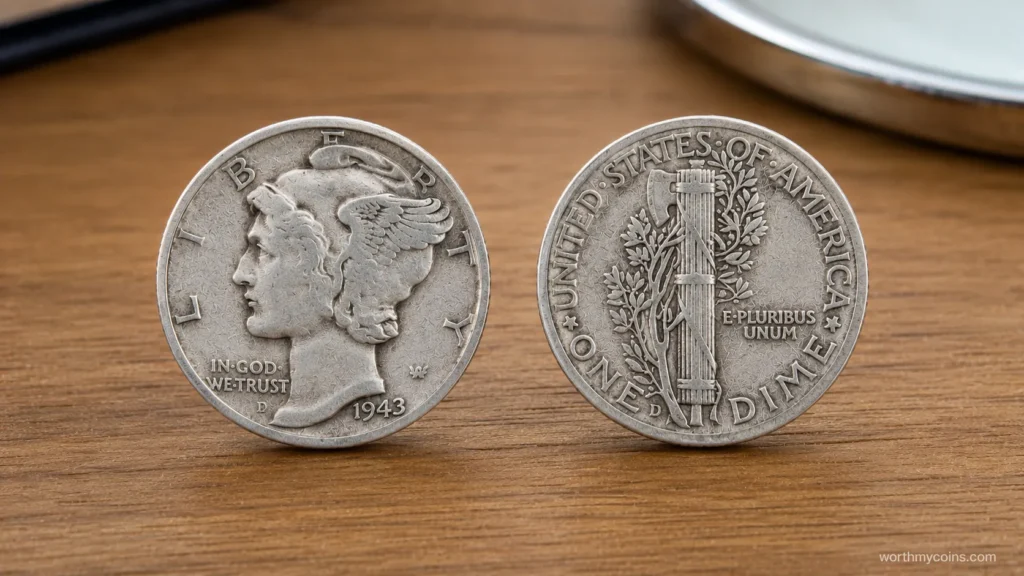
Buying and Selling Tips
Whether you’re purchasing or selling Mercury Dimes, a few simple practices can help you make informed decisions.
When buying:
- Whenever possible, purchase certified examples of key dates and major varieties.
- Compare multiple examples before deciding.
- Buy from established dealers or reputable auction firms.
- Verify important varieties through trusted grading services.
When selling:
- Avoid cleaning the coin.
- Keep original holders and certification labels.
- Compare recent certified auction results rather than online asking prices.
- Consider professional grading if the coin appears to be a key date, important variety, or exceptional Mint State example.
Collectors interested in expanding beyond Mercury Dimes may also enjoy our Morgan Dollar Value Guide: Rare Dates, Mint Errors & Collector Tips, which explains another iconic U.S. coin series featuring famous key dates, varieties, and grading considerations.
Frequently Asked Questions
What is the rarest Mercury Dime?
Most collectors consider the 1916-D Mercury Dime the key date of the series because of its extremely low mintage of only 264,000 coins.
Are all Mercury Dimes made of silver?
Yes. Regular Mercury Dimes struck from 1916 through 1945 contain 90% silver and 10% copper.
What does “Full Bands” mean?
Full Bands (FB) is a designation awarded to certain Mint State Mercury Dimes whose horizontal bands on the reverse fasces show complete separation. It indicates an exceptionally sharp strike and is highly valued by collectors.
Should I clean a Mercury Dime before selling it?
No. Cleaning often damages a coin’s original surfaces and can reduce collector demand. Most collectors prefer coins with natural, untouched surfaces.
Are Mercury Dime errors valuable?
Some are. Well-known varieties such as the 1942/41 overdate are widely recognized by collectors, while the desirability of other mint errors depends on their rarity, visibility, authenticity, certification, and overall collector demand.
Conclusion
Mercury Dimes remain one of the most rewarding U.S. coin series to collect because they combine beautiful design, historical significance, silver content, and several genuinely scarce issues. While the famous 1916-D continues to headline the series, many other dates, varieties, and Full Bands examples deserve attention from both new and experienced collectors.
Rather than assuming every old silver dime is valuable, evaluate each coin carefully by checking its date, mint mark, strike quality, condition, originality, and whether it has been professionally authenticated. If you believe you’ve found an important example, professional authentication and grading can provide valuable confirmation before buying, selling, or adding it to your collection.
Readers looking to strengthen their knowledge of classic U.S. coin series should also read our Lincoln Wheat Penny Value Guide (1909–1958), which explores another iconic collection filled with key dates, mint marks, valuable varieties, and practical grading advice.
References
This guide is based on information from trusted numismatic organizations and research sources, including:
- United States Mint
- Professional Coin Grading Service (PCGS)
- Numismatic Guaranty Company (NGC)
- American Numismatic Association (ANA)
- Heritage Auctions
- Stack’s Bowers Galleries
- Newman Numismatic Portal

Narayan Kumar is the Founder and Author of Worth My Coins. She specializes in U.S. coin collecting, with a focus on coin identification, mint errors, grading, rare varieties, and collector education. Her goal is to publish accurate, well-researched, and easy-to-understand guides that help both new and experienced collectors make informed decisions. Every article is created using trusted numismatic references and is written with a commitment to accuracy, transparency, and long-term educational value.